Ask a Penangite what to eat for breakfast and Curry Mee will inevitably enter the conversation.
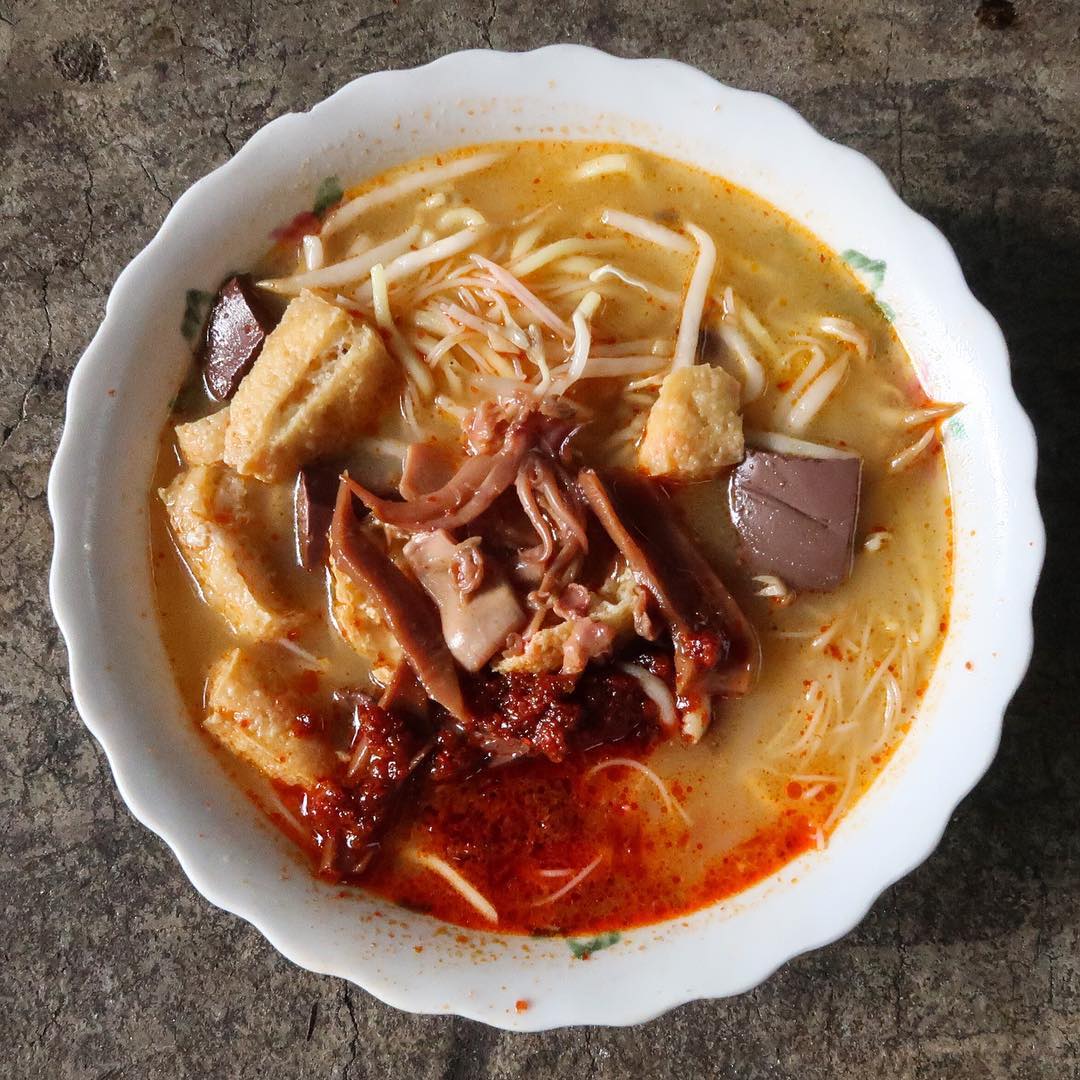
A bowl arrives looking deceptively simple: yellow noodles and bee hoon submerged in a light coconut-based broth, accompanied by tofu puffs, cockles, cuttlefish and sometimes coagulated pork blood. Then comes the ingredient that transforms everything — a spoonful of fiery chilli paste.
Stir it through and the pale broth turns a brilliant shade of red, releasing the fragrance of chilli and spices into the creamy soup.
This is Penang Curry Mee.
While similar curry noodles can be found throughout Malaysia, Penang has developed a distinctive style of its own. From legendary morning stalls in Air Itam and century-old food neighbourhoods around George Town to Michelin-recognised Curry Mee in Bukit Mertajam, there are excellent bowls on both sides of the Penang Strait.
If you’re working your way through the state’s essential dishes, Curry Mee deserves a place alongside the best Char Koay Teow in Penang, best Chee Cheong Fun in Penang, Hokkien Mee and other favourites in our Penang Street Food Guide.
Here are some of the best Curry Mee stalls in Penang.
What Is Penang Curry Mee?
Curry Mee is a noodle soup traditionally made with a coconut milk-based curry broth and served with a combination of yellow noodles and rice vermicelli.
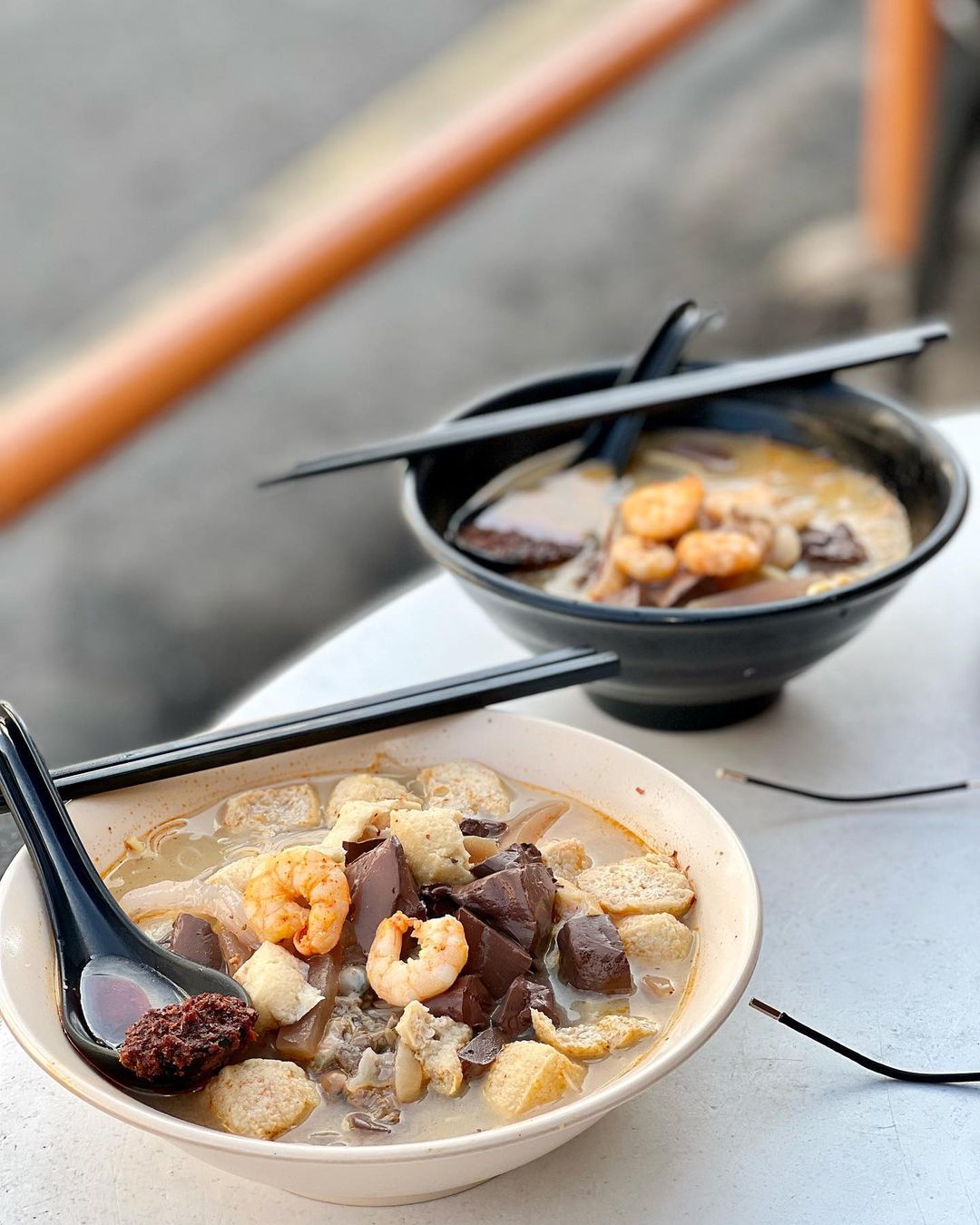
A traditional Penang bowl can contain:
- Yellow noodles
- Bee hoon
- Tofu puffs
- Cockles
- Cuttlefish
- Bean sprouts
- Prawns
- Coagulated pork blood
- Mint leaves
- Chilli paste
But the defining characteristic isn’t simply the ingredients.
It is the relationship between the light coconut broth and concentrated chilli paste.
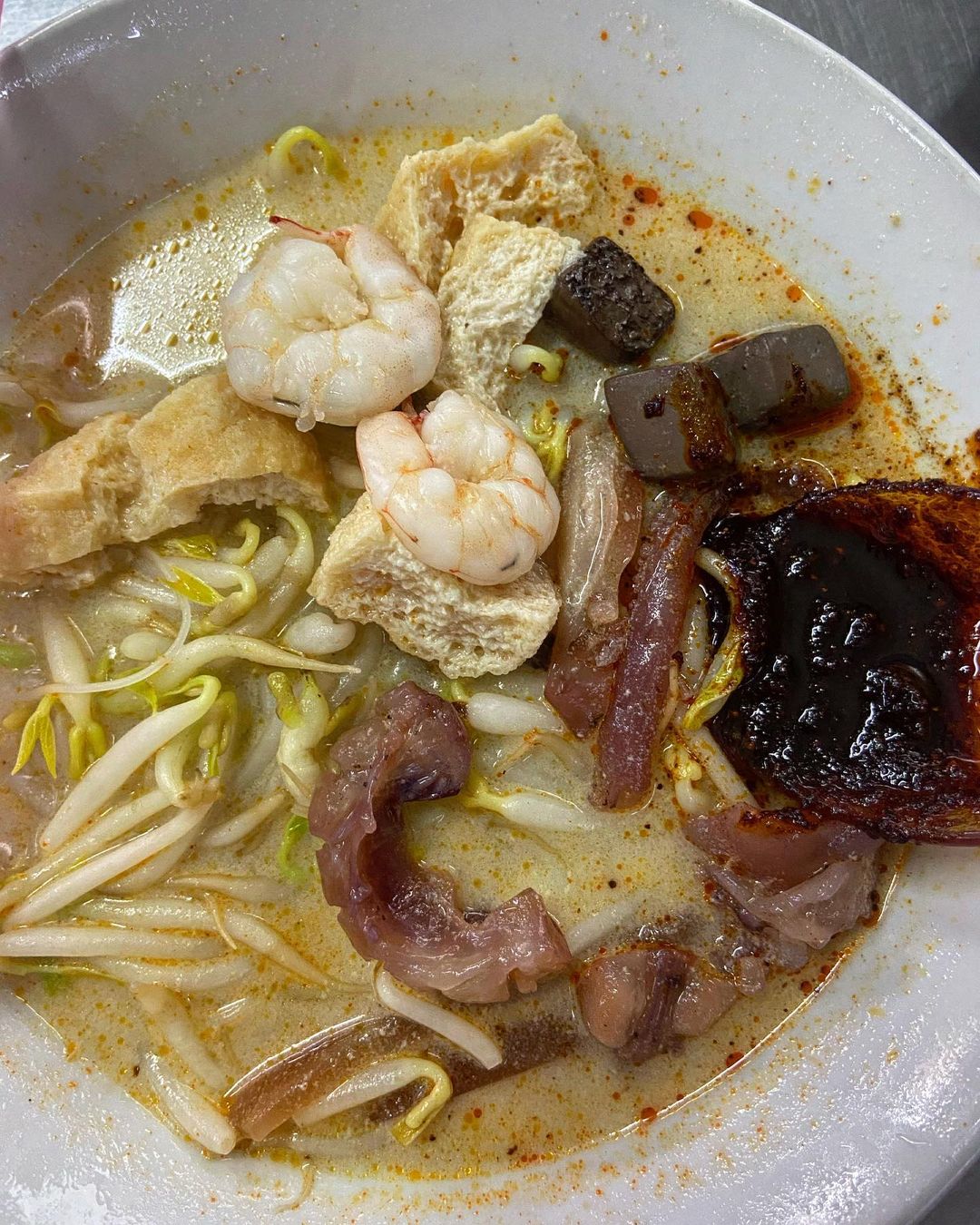
At some traditional stalls, the soup initially appears surprisingly pale. Rather than cooking all of the chilli directly into the broth, the hawker serves sambal alongside the noodles, allowing you to stir in as much as you want.
The transformation happens at the table.
Add a little and the broth becomes fragrant and gently spicy. Add a generous spoonful and you get the rich, fiery bowl many Penangites love.
Why Is Penang Curry Mee Sometimes White?
This is one of the first things that surprises visitors.
If you’re accustomed to the orange or red curry laksa served elsewhere in Malaysia, a traditional Penang Curry Mee can look almost unfinished when it arrives.
It isn’t.
The pale broth comes primarily from coconut milk and the soup base, while much of the chilli is served separately.
This style is sometimes marketed as Penang White Curry Mee, although locals have simply called the dish Curry Mee for generations.
Once the chilli paste is stirred through, the broth changes colour and character completely.
Hot Bowl on Rangoon Road is particularly associated with the term White Curry Mee, but the basic concept reflects a much broader Penang Curry Mee tradition.
Curry Mee vs Curry Laksa: What’s the Difference?
The terminology can become confusing when travelling around Malaysia.
In Kuala Lumpur and some other parts of the country, a similar coconut curry noodle soup may be called Curry Laksa. In Penang, locals generally call their version Curry Mee.
There are also differences in preparation and toppings.
Penang Curry Mee traditionally has a relatively light coconut broth that gains much of its heat and depth from chilli paste added at the table. Cockles, cuttlefish, tofu puffs and coagulated pork blood are particularly associated with older Penang versions.
Curry Laksa elsewhere can have a richer, more heavily seasoned curry broth from the beginning.
Neither is necessarily better. They represent different regional expressions of Malaysia’s extraordinarily diverse noodle culture.
And don’t confuse either with Penang Asam Laksa, which is a completely different dish built around a sour, fish-based tamarind broth.
What Makes a Great Penang Curry Mee?
A Fragrant Broth
Coconut milk gives the soup richness, but a good broth shouldn’t feel overwhelmingly heavy.
The best versions are aromatic and savoury enough to enjoy before you’ve even added the chilli.
The Chilli Paste
This can make or break the bowl.
A good Curry Mee sambal isn’t simply hot. It should provide fragrance, savouriness and depth while complementing the coconut broth.
Fresh Cockles
Traditional Curry Mee often comes with lightly cooked cockles.
Their briny sweetness provides a particularly good contrast with the creamy, spicy soup.
Cuttlefish
Cuttlefish adds another layer of seafood flavour and a pleasantly chewy texture.
Tofu Puffs
These aren’t merely fillers.
Tofu puffs absorb the curry broth like little sponges, releasing it again when you bite into them.
The Right Noodles
Many Penangites order a mixture of yellow noodles and bee hoon, giving each mouthful a combination of different textures.
Best Curry Mee in Penang
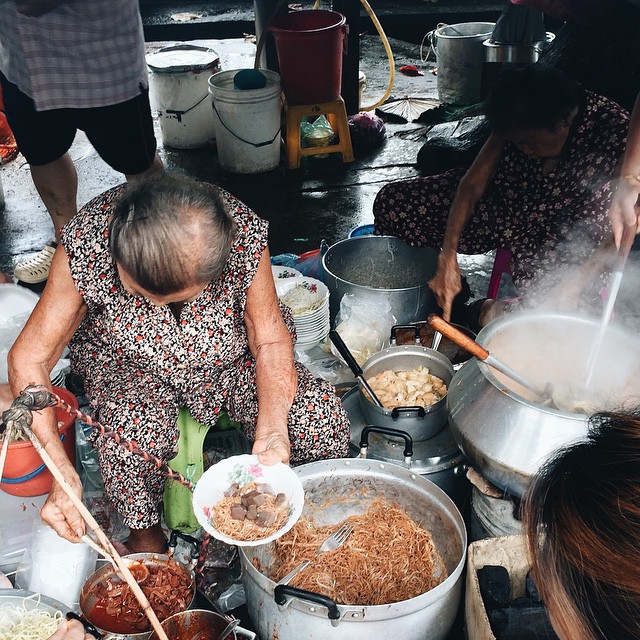
Sisters Curry Mee, Air Itam
612-T, Jalan Air Itam,
Pekan Ayer Itam, 11500
Ayer Itam, Penang.
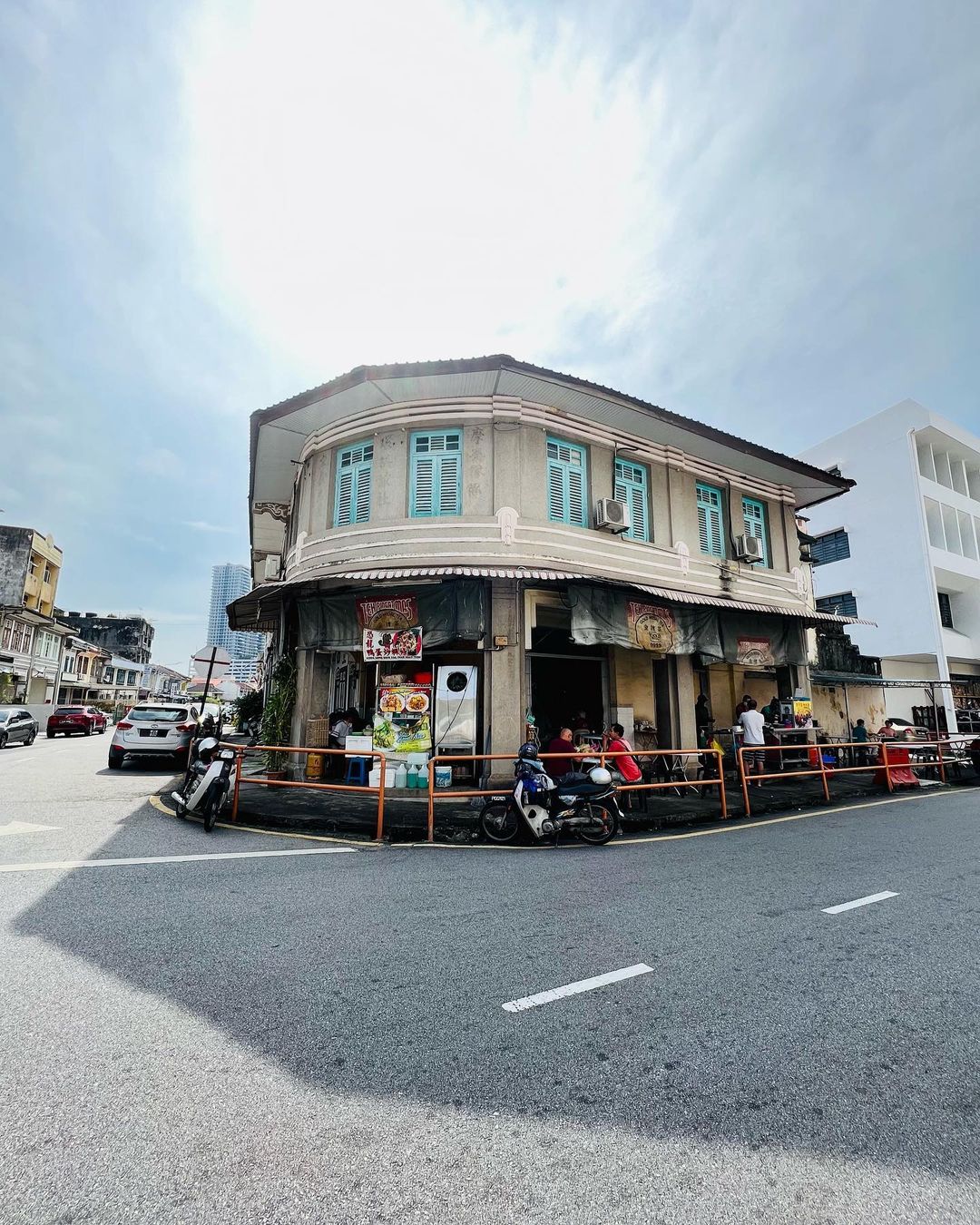
Lorong Seratus Tahun
34, Lorong Seratus Tahun,
10400 George Town, Penang.
Kuantan Road Curry Mee
Kuantan Road, 10150
George Town, Penang.
Chulia Street Curry Mee


Lebuh Chulia, 10200,
George Town, Penang.
Hot Bowl
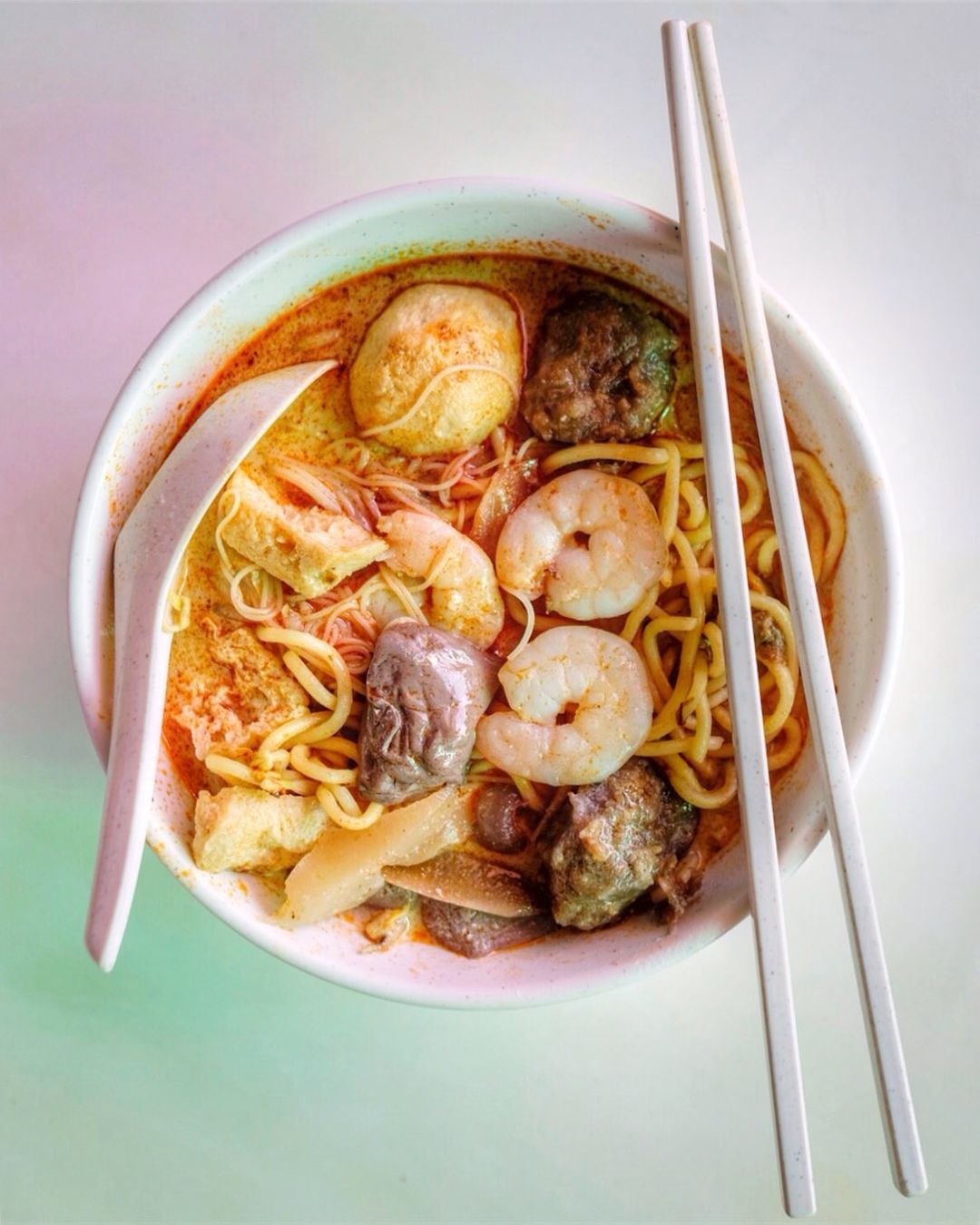
58-C, Jalan Rangoon,
10400, Penang.
Duck Blood Curry Mee
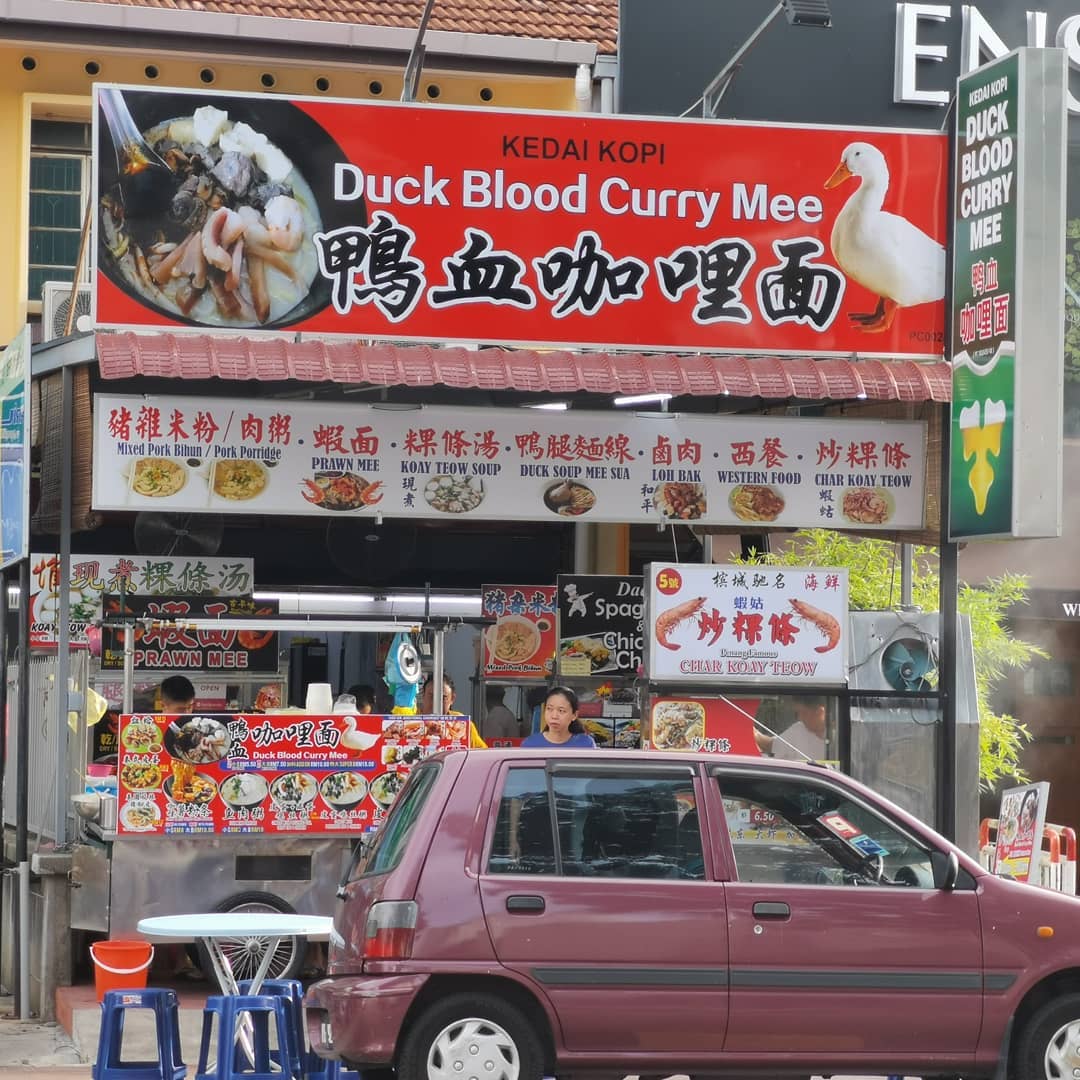
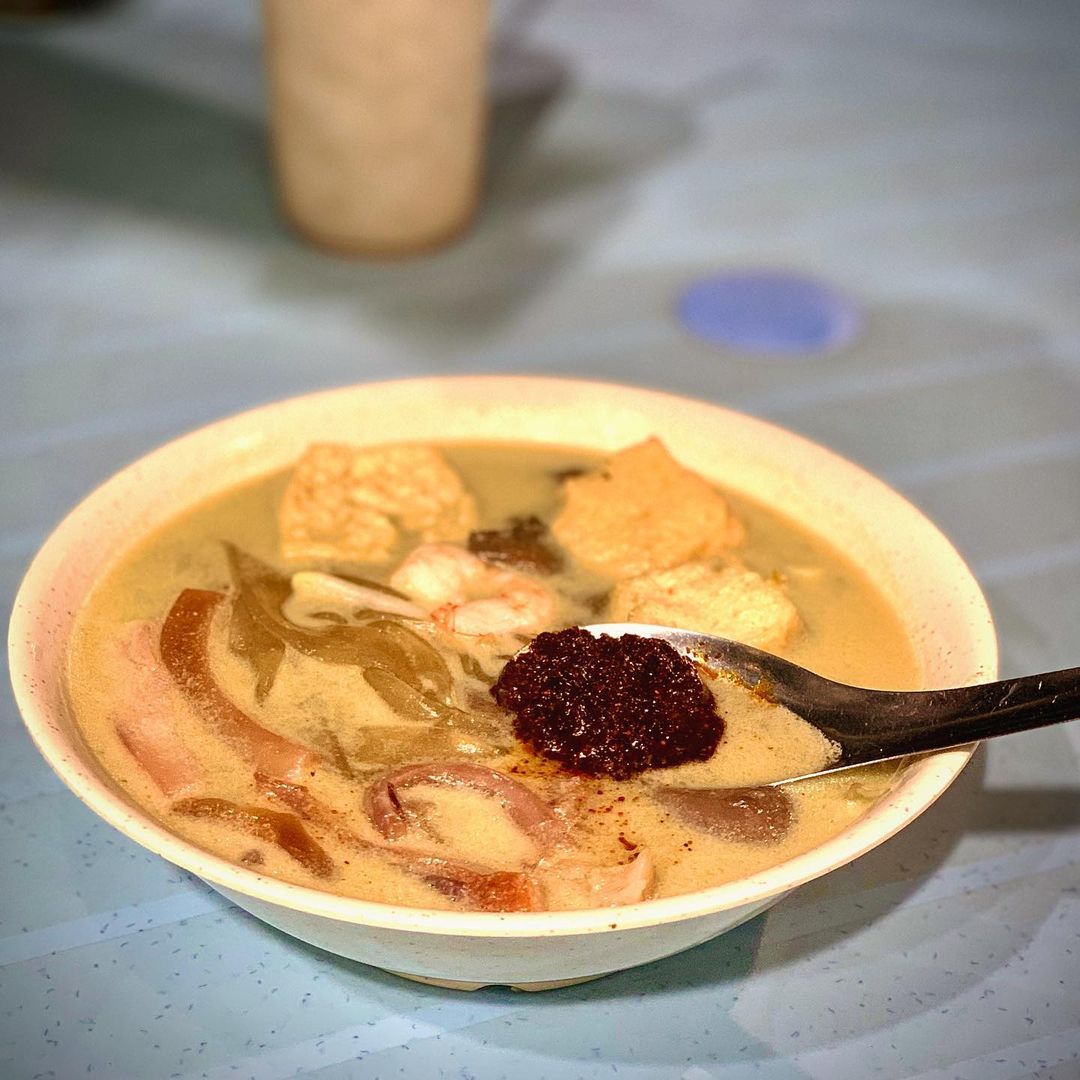
223B, Jalan Burma,
10050 George Town, Penang.
Tua Pui Curry Mee, Kimberley Street
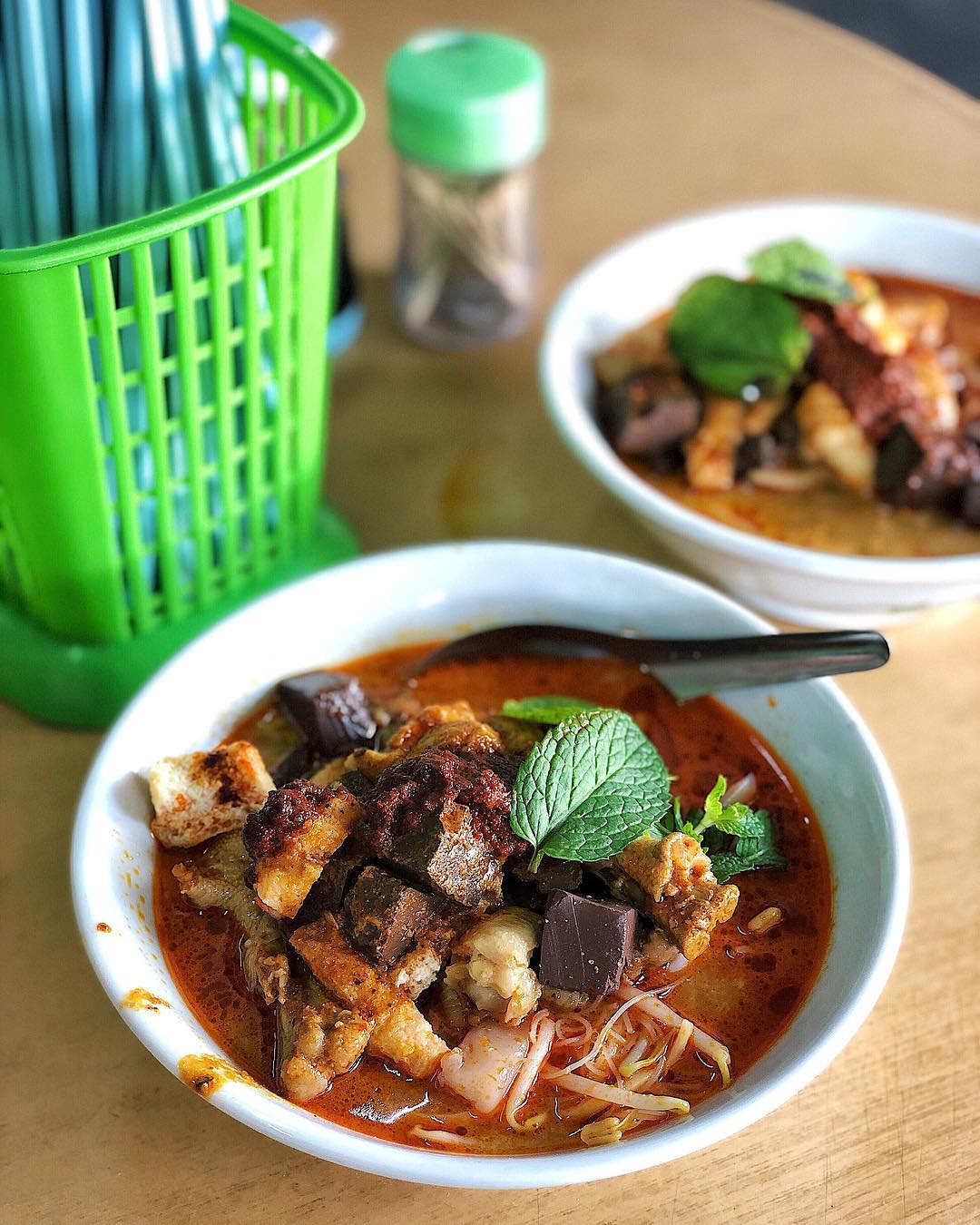
23, Lebuh Kimberley,
10100 George Town, Penang.
Kedai Kopi Bobo
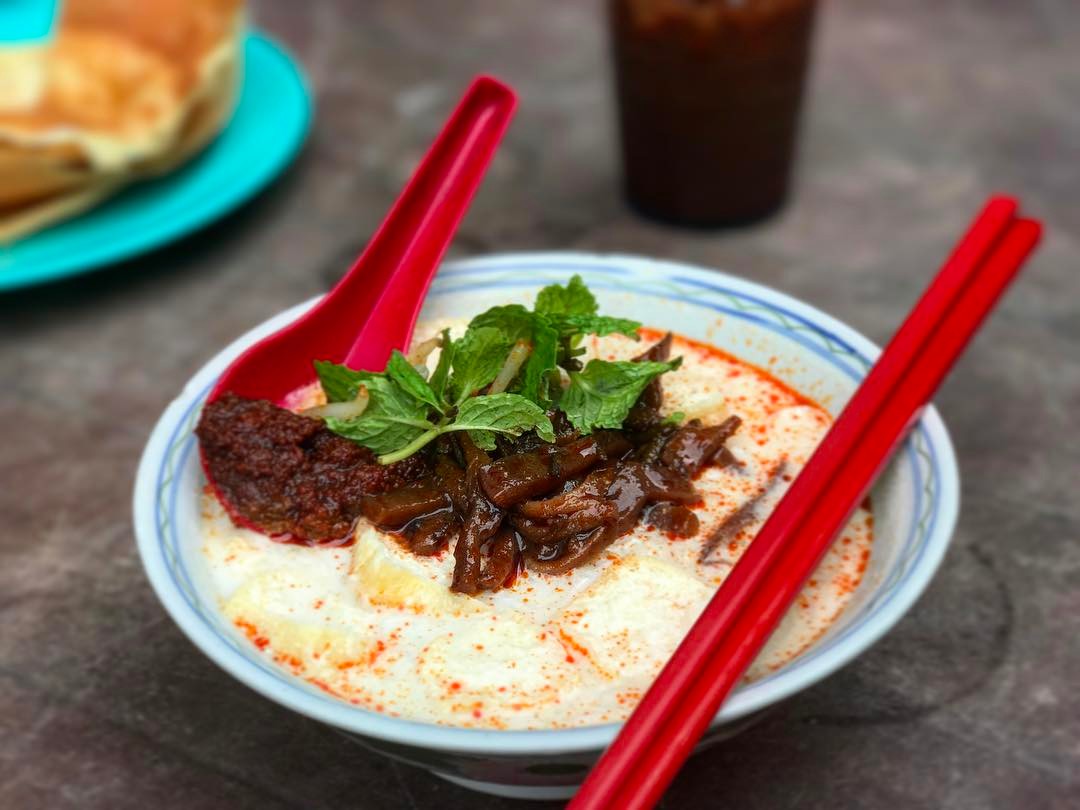
G-23, Lengkok Nipah 2,
Taman Lip Sin, 11900
Bayan Lepas, Penang.
Cecil Street Market
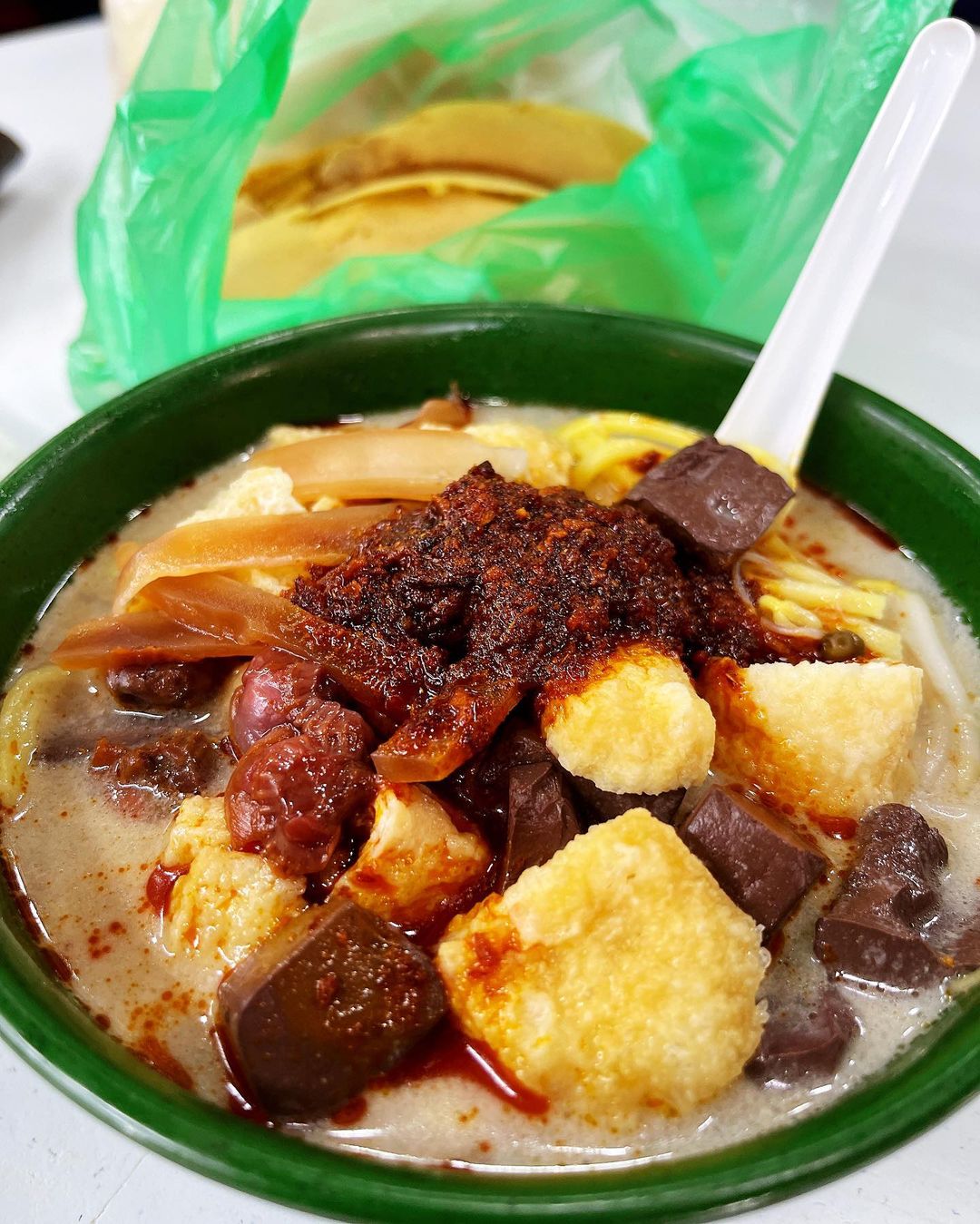
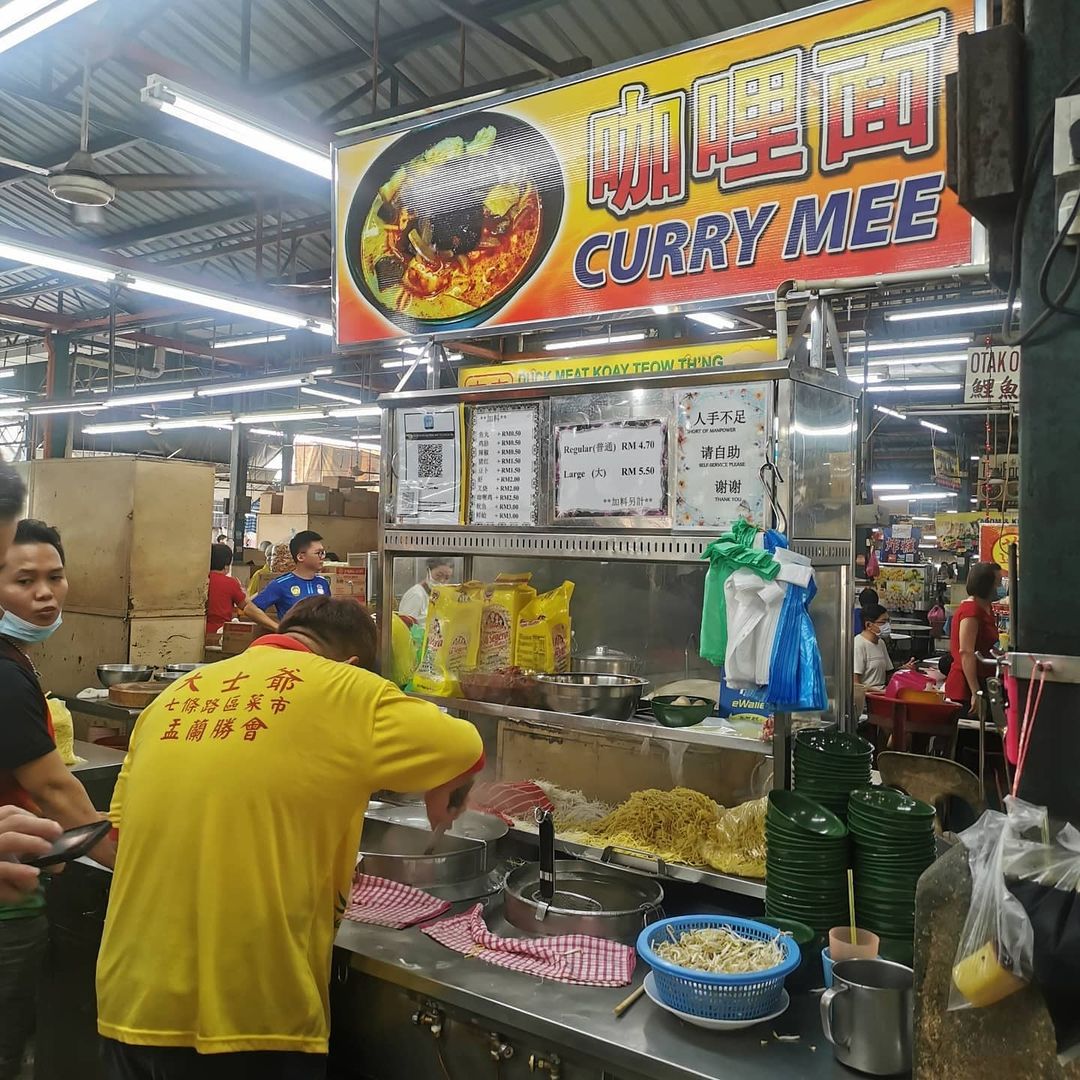
40-48, Lebuh Cecil,
10300 George Town, Penang.
Genting Cafe
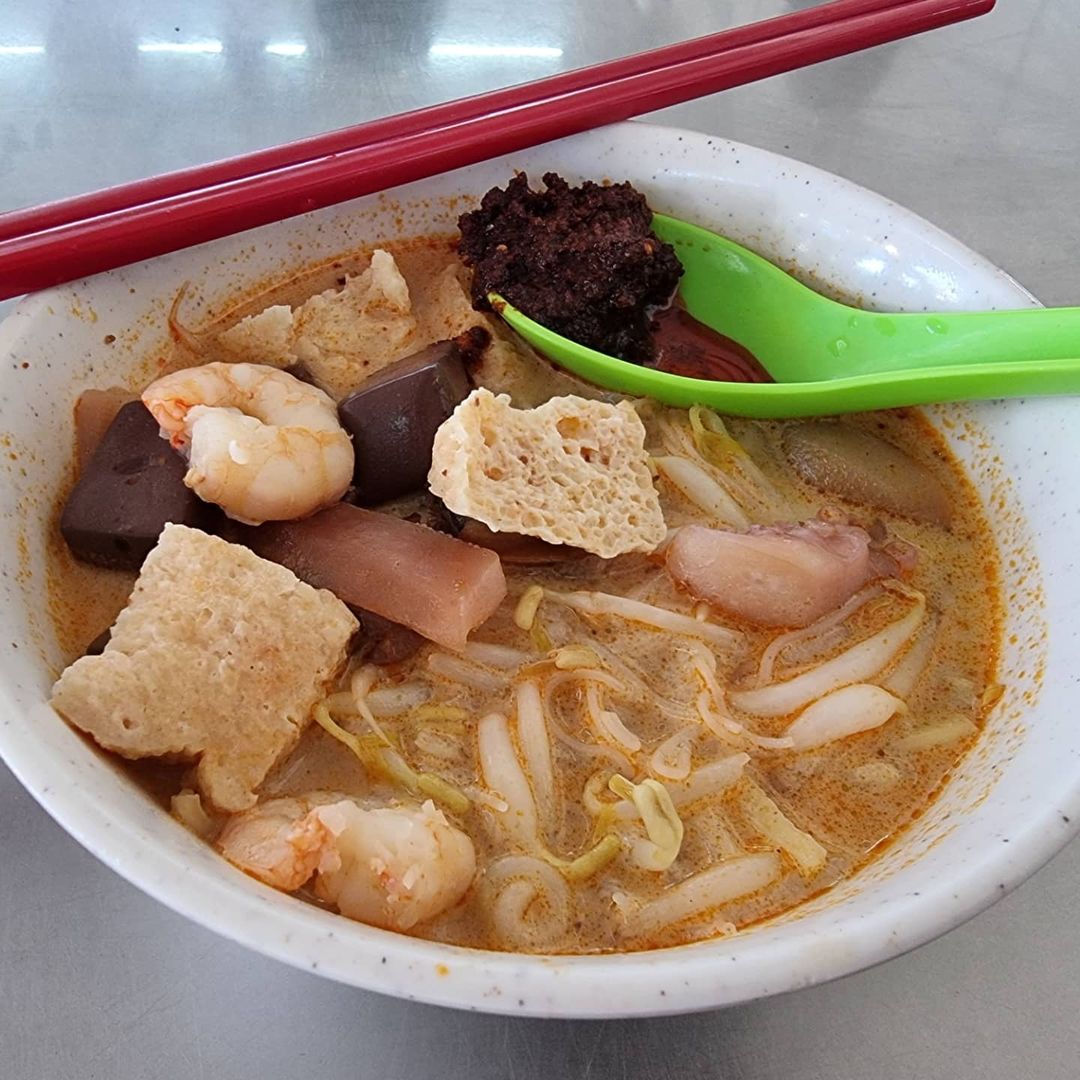
Lorong Delima 3, Taman Island Glades,
11700 Jelutong, Penang.
Traditional Curry Mee Toppings Explained
If you’re ordering Curry Mee for the first time, some of the ingredients may be unfamiliar.
Cockles
Cockles are generally lightly cooked so they remain juicy rather than becoming rubbery.
They contribute a sweet, briny flavour to the curry.
Cuttlefish
Usually sliced into manageable pieces, cuttlefish adds chewiness and seafood flavour.
Tofu Puffs
The porous tofu absorbs the curry broth and becomes one of the most satisfying parts of the bowl.
Blood Cubes
Traditional stalls may serve coagulated pork or duck blood.
The texture is soft and smooth, while the flavour is relatively mild.
Mint
Fresh mint might sound unusual in a coconut curry, but its freshness cuts through the richness beautifully.
Sambal
The most important finishing ingredient.
Every hawker develops their own recipe, and differences in chilli paste are one of the main reasons two bowls of Curry Mee can taste completely different.
Chicken Curry Mee vs Traditional Penang Curry Mee
You may encounter Curry Mee served with chicken at newer restaurants or food courts.
There’s nothing wrong with that, but it isn’t necessarily representative of the traditional Penang hawker version.
Classic Curry Mee is much more closely associated with seafood and offal-style toppings such as cockles, cuttlefish, tofu puffs and blood cubes.
If this is your first trip to Penang, try a traditional version before moving on to contemporary variations.
Is Penang Curry Mee Very Spicy?
It doesn’t have to be.
One advantage of the traditional Penang style is that much of the chilli can be added separately.
Start with half a spoonful, stir thoroughly and taste.
You can always add more.
The objective isn’t to make the soup unbearably hot. A good amount of sambal should enhance the coconut broth rather than completely hide it.
Is Penang Curry Mee Halal?
Traditional Penang Curry Mee should not automatically be assumed to be halal.
Some stalls use pork-based ingredients, pork blood or other non-halal components, and preparation practices vary considerably.
There are Muslim-friendly and halal curry noodle dishes available throughout Penang, but travellers requiring halal food should check the restaurant’s current certification and ingredients directly.
What to Eat After Curry Mee
A bowl of Curry Mee can be rich and spicy, so something cold makes an excellent follow-up.
Try:
- Ais Kacang
- Cendol
- Fresh nutmeg juice
- Kopi peng
- Traditional Chinese desserts
If you’re attempting a larger hawker crawl, share your bowl rather than eating an entire portion at every stop.
You still need room for Char Koay Teow, Char Koay Kak, Chee Cheong Fun, Hokkien Mee and everything else Penang throws at you.
Frequently Asked Questions About Curry Mee in Penang
What is the best Curry Mee in Penang?
There isn’t a single answer. Air Itam Sisters Curry Mee is one of the state’s most historic names, Lorong Seratus Tahun is a classic George Town choice, Hot Bowl is well known for White Curry Mee, while Taman Bukit Curry Mee is a notable mainland option in Bukit Mertajam.
What makes Penang Curry Mee different?
Penang Curry Mee is known for its relatively light coconut-based broth, chilli paste added according to taste and traditional toppings such as cockles, cuttlefish, tofu puffs and blood cubes.
Is Penang Curry Mee the same as Curry Laksa?
They are closely related curry noodle dishes, but regional terminology, broth preparation and toppings differ. Penangites generally call their version Curry Mee.
Why is Penang Curry Mee white?
Some traditional Curry Mee broths are pale because much of the chilli is served separately. Once the sambal is stirred into the coconut-based soup, the broth becomes darker and spicier.
Where can I find famous Curry Mee in George Town?
Lorong Seratus Tahun, Hot Bowl, Duck Blood Curry Mee, Cecil Street Market and the Kimberley/Chulia Street areas are among the places worth considering.
Where can I find Curry Mee on mainland Penang?
Bukit Mertajam’s Taman Bukit Curry Mee is one of the best-known mainland choices, while Butterworth also has established Curry Mee stalls around areas such as Chain Ferry Road.
Is Curry Mee normally eaten for breakfast?
Yes. Many traditional Penang Curry Mee stalls operate primarily during the morning, although some evening stalls are available.
Can I order Curry Mee without blood?
Usually, yes. Tell the hawker when ordering if you don’t want blood cubes or any other particular topping.
Curry Mee is one of those dishes that reveals more of Penang the deeper you explore it.
Start with the legendary Sisters Curry Mee in Air Itam and you encounter generations of hawker history. Try Lorong Seratus Tahun and you experience another classic George Town institution. Stir chilli into a pale bowl at Hot Bowl and you begin to understand why “White Curry Mee” has become such a recognisable term.
Then cross to Bukit Mertajam for Taman Bukit Curry Mee and the story expands beyond Penang Island entirely.
That’s why trying only one bowl isn’t really enough.
Every hawker has a slightly different broth, sambal, combination of toppings and approach to balancing coconut richness against chilli heat.
For the full experience, make Curry Mee part of a larger journey through Penang’s food culture. Continue with our guides to the best Char Koay Teow in Penang, best Char Koay Kak in Penang, best Chee Cheong Fun in Penang, best breakfast in Penang and complete Penang Street Food Guide.
And if you’re travelling beyond George Town, explore our guides to Air Itam, Bukit Mertajam and Penang Mainland to discover how much of Penang’s food story exists beyond the heritage city.