Char Koay Teow may get most of the international attention, but ask a Penangite about their favourite local comfort foods and Char Koay Kak will often enter the conversation.
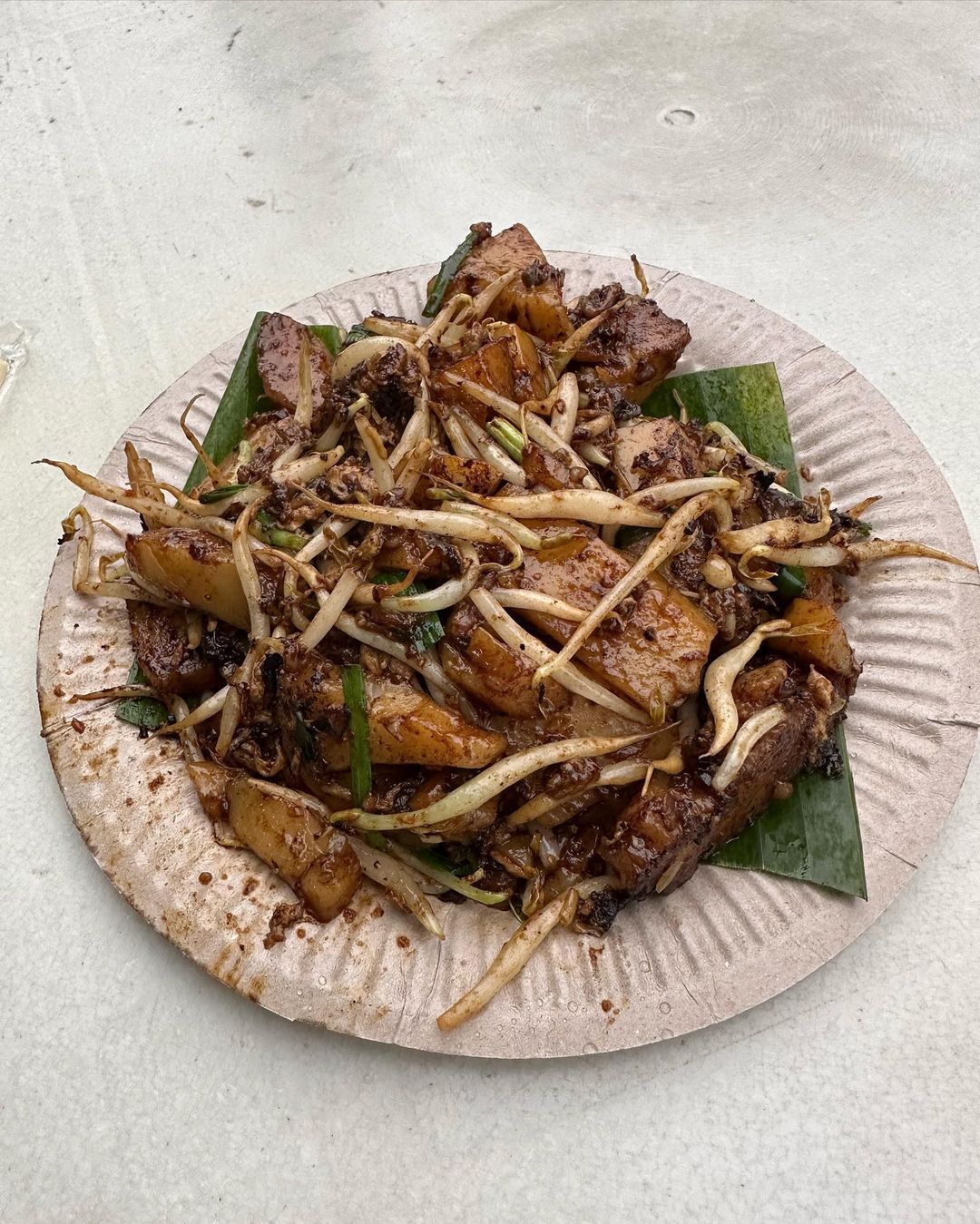
Made from cubes of steamed rice cake fried over high heat with egg, preserved radish, bean sprouts, garlic, soy sauce and chilli, Char Koay Kak is smoky, savoury, slightly sweet and incredibly satisfying.
You’ll find it sizzling away at morning markets, old-school coffee shops and evening hawker centres across Penang. Some hawkers fry it dark and intensely caramelised, others keep the seasoning lighter, while mainland Penang has its own versions — including stalls famous for frying the rice cakes with duck egg.
It may be less internationally famous than the best Char Koay Teow in Penang, but Char Koay Kak is every bit a part of the state’s everyday hawker culture.
Whether you’re staying in George Town, venturing into Air Itam or crossing over to Bukit Mertajam, here are some of the best places to try Char Koay Kak in Penang.
What Is Char Koay Kak?
Char Koay Kak (炒粿角) literally means stir-fried rice cake pieces.
The foundation of the dish is a steamed rice cake made primarily from rice flour. Once set, the cake is cut into small cubes before being fried on a large flat pan or wok.
The hawker typically starts with garlic and preserved radish (chai poh), followed by the rice cake cubes, soy sauce, chilli, bean sprouts and egg. Everything is tossed and fried together until some surfaces of the rice cake become lightly crisp and caramelised.
The result is all about contrast.
The rice cakes should remain soft and slightly chewy inside while developing lightly charred edges. Preserved radish provides bursts of saltiness, bean sprouts add crunch, egg brings richness, and chilli cuts through everything with heat.
It is simple hawker food — but getting the texture, heat and seasoning right takes considerable experience.
Is Char Koay Kak the Same as Carrot Cake?
Visitors from Singapore may recognise something similar as chai tow kway, commonly translated into English as “fried carrot cake”.
Despite the name, neither dish necessarily contains carrots.
The “carrot” confusion comes from chai tow (菜头), a term commonly used for radish or daikon. Singapore-style chai tow kway is generally made using steamed radish cake, whereas Penang Char Koay Kak is closely associated with rice cakes.
There are similarities in how the dishes are fried with egg and preserved radish, but Penang’s version has developed its own character through generations of local hawker cooking.
If you’re exploring Penang specifically for food, Char Koay Kak therefore deserves to be treated as its own dish rather than simply a Penang version of Singapore fried carrot cake.
Char Koay Kak vs Char Koay Teow: What’s the Difference?
Their names sound similar, and both involve plenty of wok action, but Char Koay Kak and Char Koay Teow are completely different dishes.
Char Koay Teow uses flat rice noodles fried with ingredients such as prawns, cockles, Chinese sausage, egg, bean sprouts and chives.
Char Koay Kak uses cubes of steamed rice cake, with preserved radish, egg and bean sprouts forming the heart of the dish.
Both rely heavily on heat control and wok technique, however.
A skilled hawker needs to caramelise the ingredients without burning them, while creating enough char to give the dish its irresistible aroma.
If you want to compare the two yourself, use our guide to the best Char Koay Teow in Penang and turn it into your own Penang wok-fried food trail.
What Makes a Good Penang Char Koay Kak?
A plate might look simple, but several things separate an average Char Koay Kak from a memorable one.
Crispy Edges, Soft Centre
Texture is perhaps the most important element.
The rice cake should remain soft and slightly chewy inside while developing caramelised, lightly crisp surfaces from contact with the hot pan.
If everything is too soft, the dish becomes monotonous. Fry it too long and the rice cake becomes dry.
Wok Hei and Caramelisation
As with many of Penang’s great wok-fried dishes, heat matters.
High temperatures help caramelise the soy sauce around the rice cakes and create slightly charred edges without turning everything mushy.
Chai Poh
Preserved radish provides tiny bursts of salty-sweet flavour throughout the dish.
A generous but balanced amount can completely transform a plate of Char Koay Kak.
Egg
Egg binds everything together and adds richness.
Some stalls on mainland Penang are particularly known for using duck eggs, creating a richer and more aromatic version.
Balanced Seasoning
The best Char Koay Kak shouldn’t simply taste of dark soy sauce.
You should be able to taste the rice cake, egg, garlic, preserved radish and chilli beneath the seasoning.
Best Char Koay Kak in Penang
Sister Yao’s Char Koay Kak
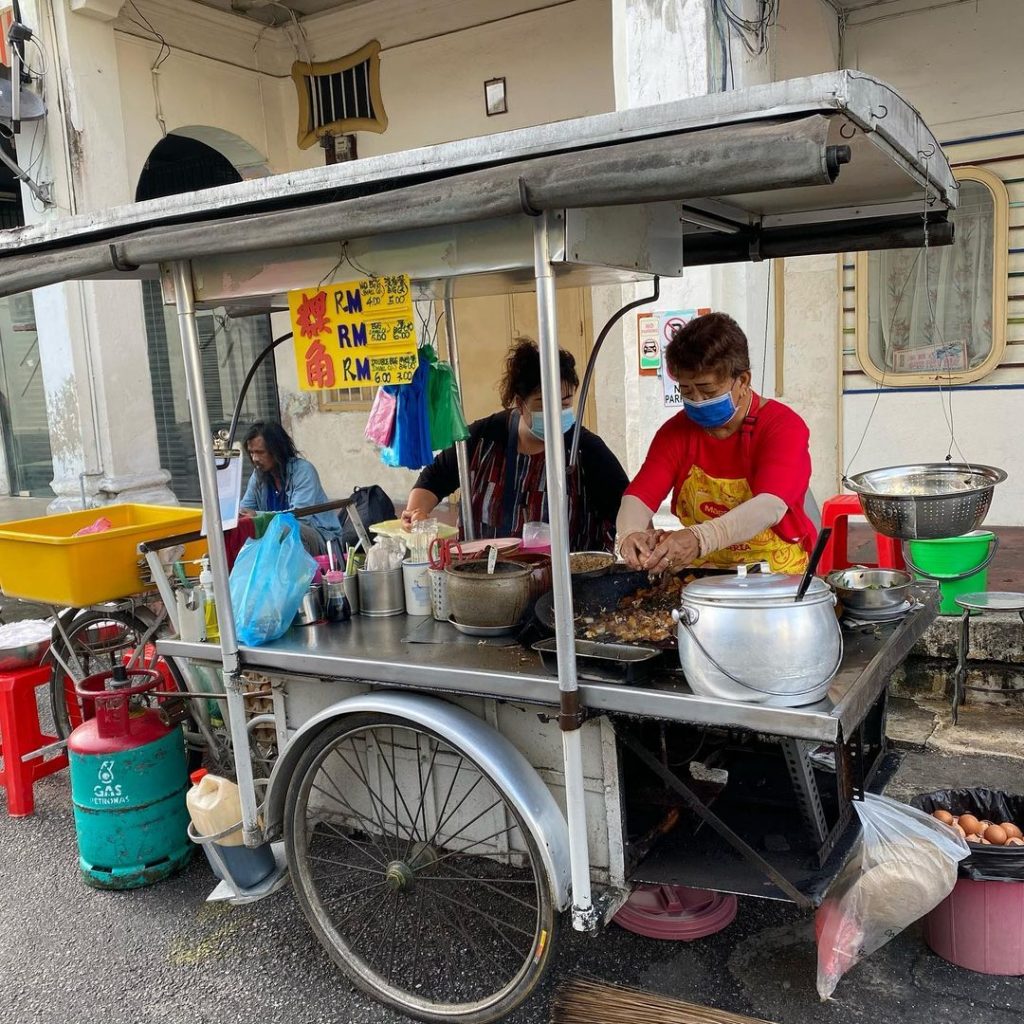
96, Lorong Macalister,
11400 George Town, Penang.
Union Primary School Char Koay Kak
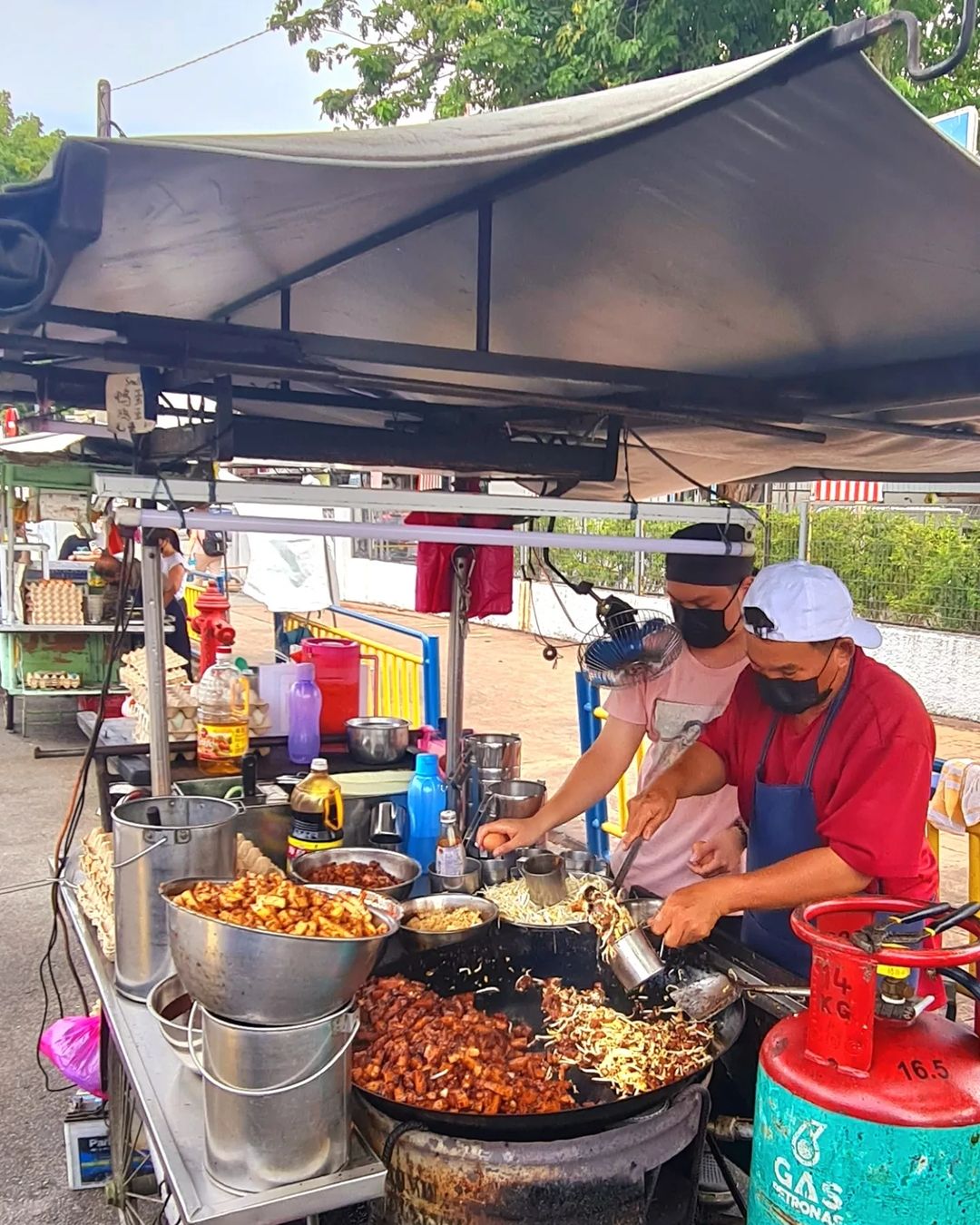
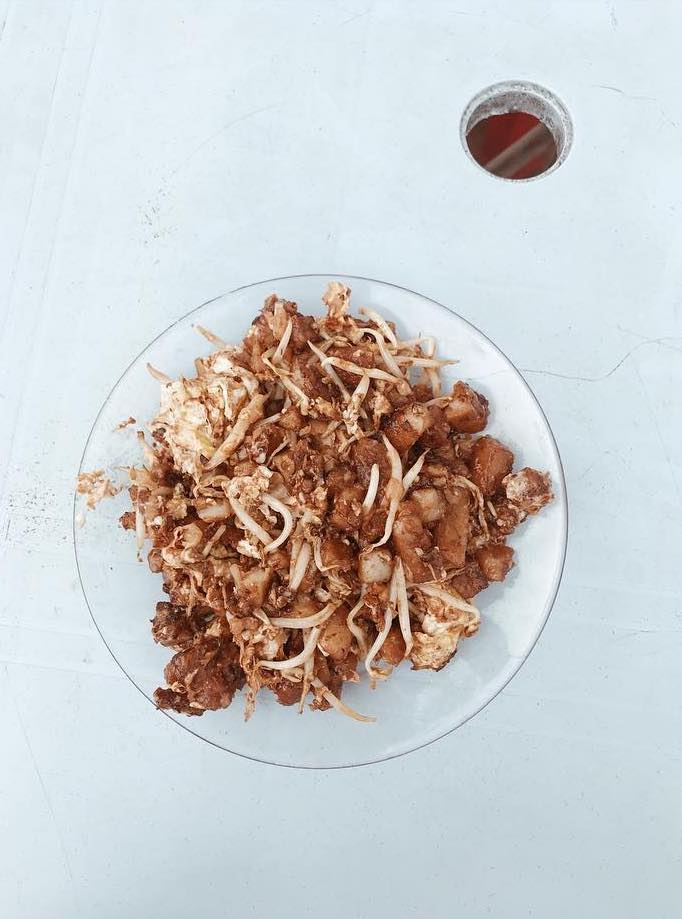
Jalan Burma, 10450 George Town, Penang.
Reservoir Garden Char Koay Kak
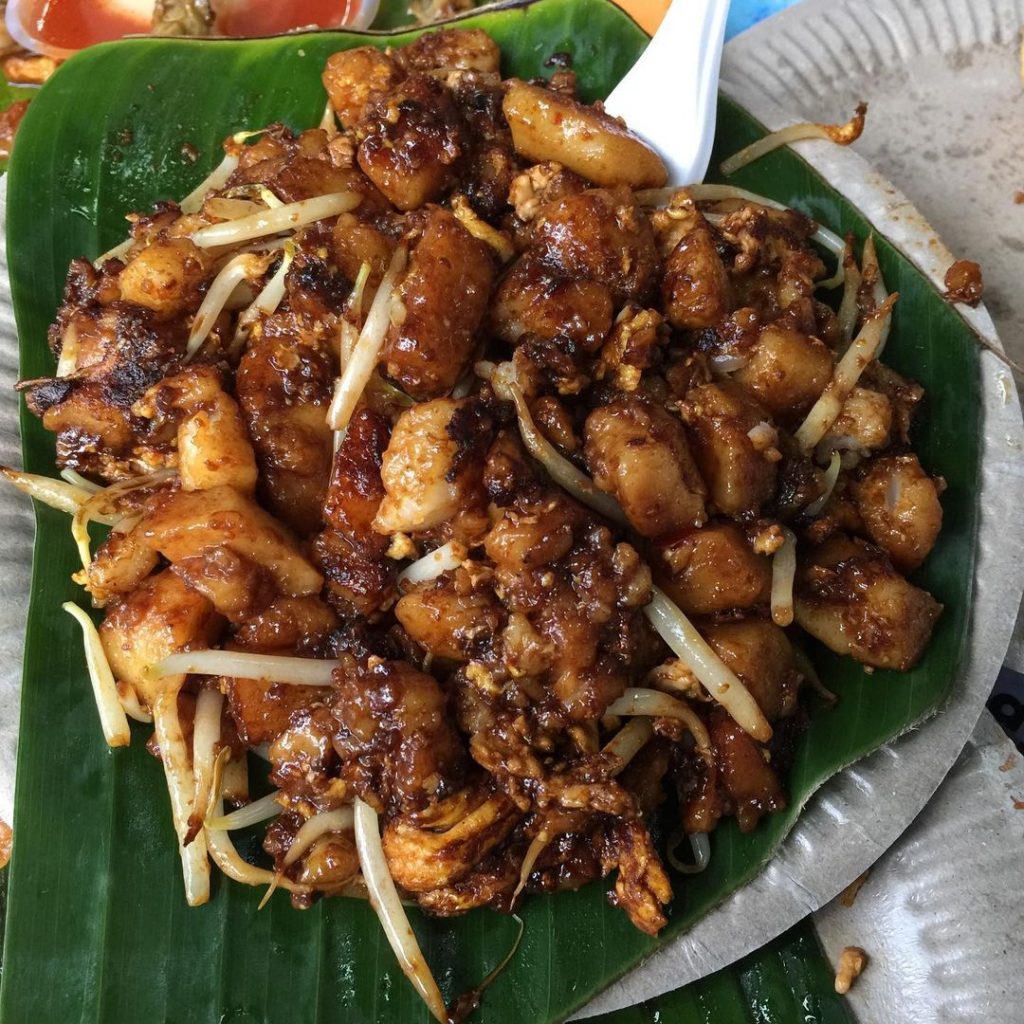
Reservoir Garden Hawker Arcade
Taman Ria, 11500 Air Itam, Penang.
Presgrave Street Hawker Stalls
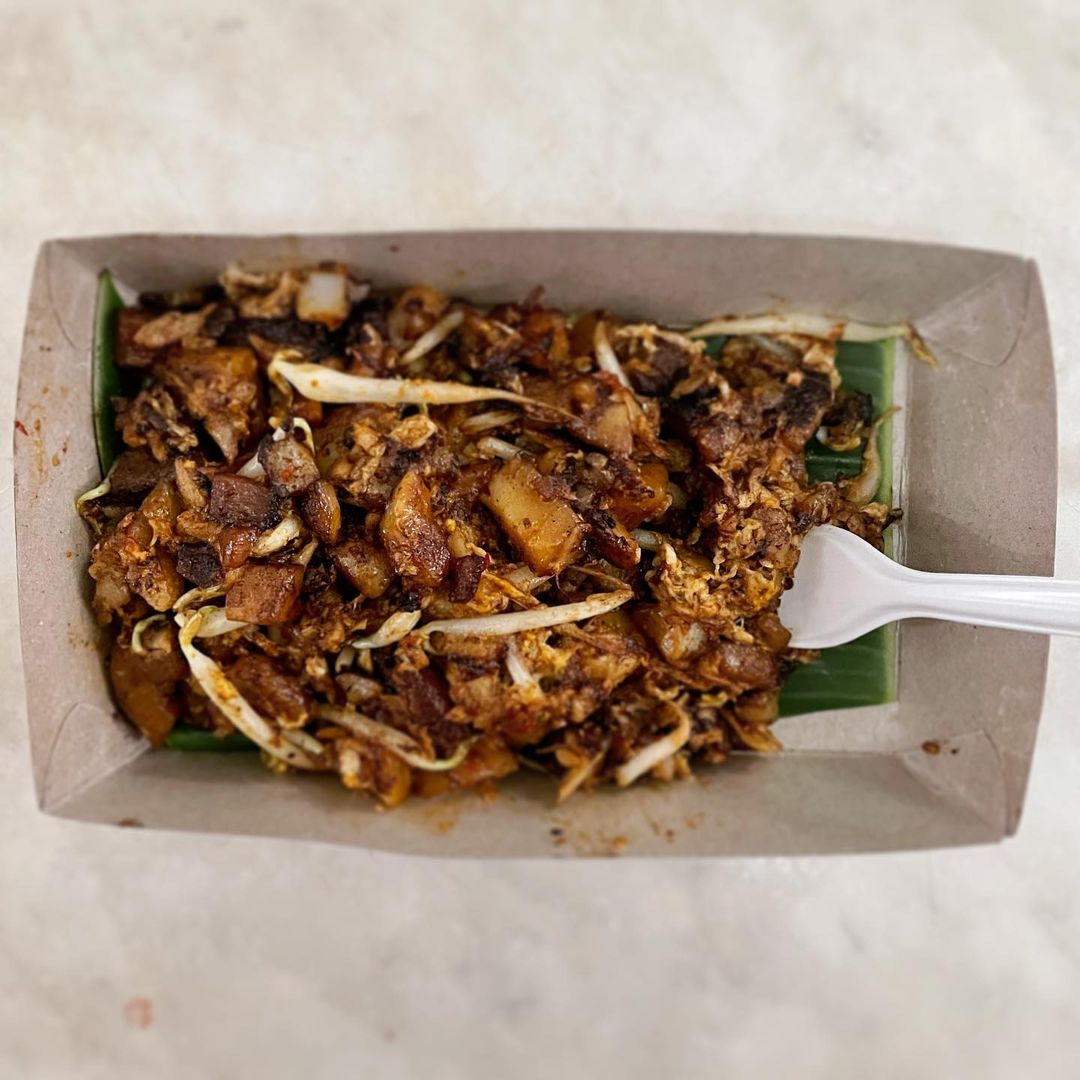
Lebuh Presgrave, 10300 George Town, Penang.
Mandarin Cafe, Island Glades
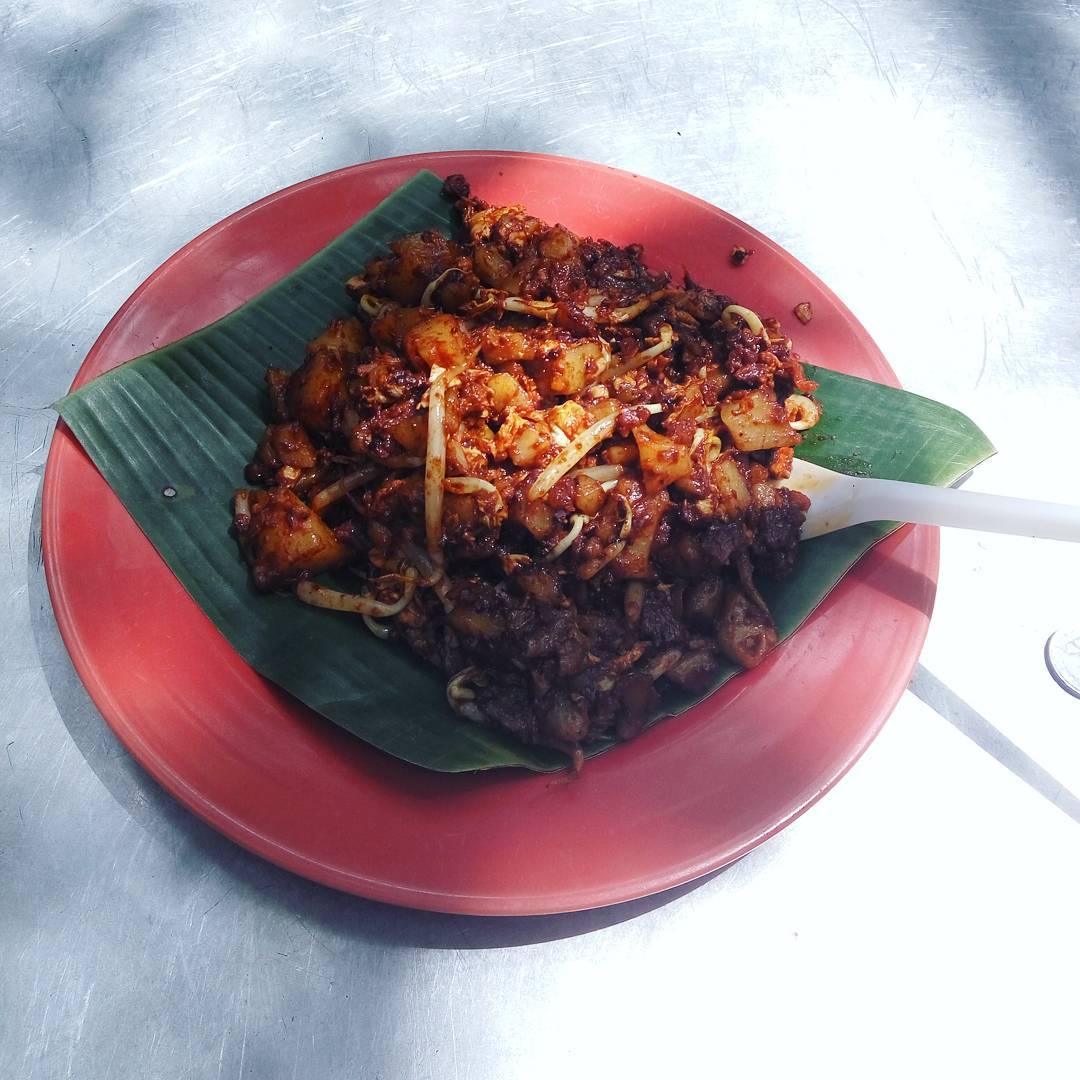
1 N, Lrg Delima 5, Taman Islands Glades,
11700 Gelugor, Penang.
Chowrasta Market
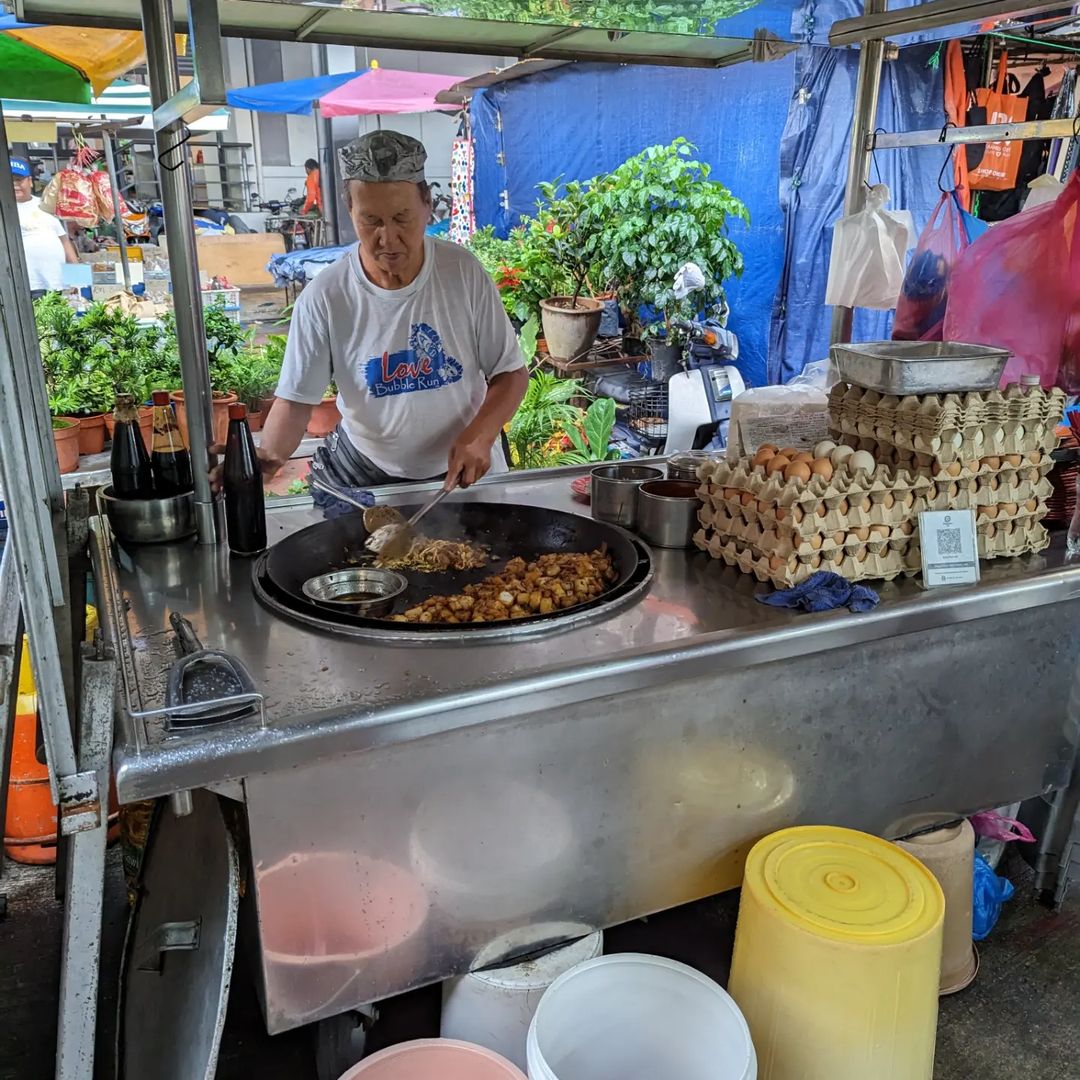
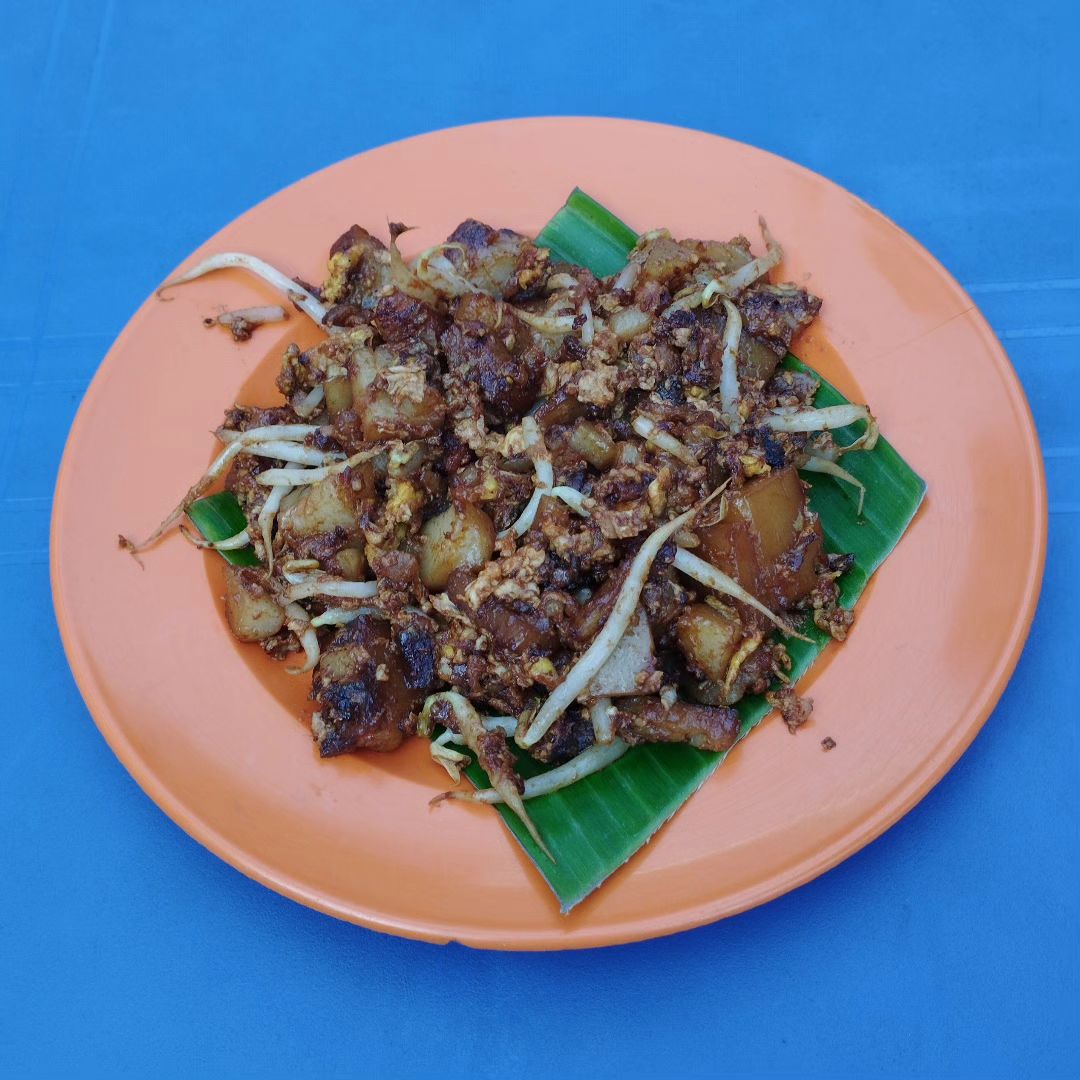
1-33, Jalan Chowrasta,
10200 George Town, Penang.
Ah Beng’s Char Koay Kak
Jalan Pasar, 14000 Bukit Mertajam, Penang.
When Is the Best Time to Eat Char Koay Kak?
There’s really no wrong time.
Depending on the stall, Penangites eat Char Koay Kak for breakfast, lunch, afternoon tea or dinner.
Morning stalls around markets and coffee shops make it an excellent breakfast dish, particularly alongside local kopi.
Evening hawker centres such as Presgrave Street turn it into part of a larger street-food feast.
If you’re specifically planning a morning food hunt, our guide to the best breakfast in Penang can help you combine Char Koay Kak with other local favourites without travelling unnecessarily across the island.
What to Eat with Char Koay Kak
Char Koay Kak works particularly well as part of a shared hawker meal.
Instead of everyone ordering a full plate, get one Char Koay Kak for the table and add a few other Penang classics.
Try pairing it with:
- Penang Hokkien Mee for something soupy and intensely savoury
- Chee Cheong Fun for silky rice rolls with Penang’s distinctive sauces
- Char Koay Teow for another wok-fried classic
- Curry Mee for something spicy and creamy
- Lor Bak for a crispy side dish
- Ais Kacang or Cendol to finish with something cold
If you’re overwhelmed by the choices, our complete Penang Street Food Guide covers the essential dishes and hawker spots worth knowing.
Tips for Finding Great Char Koay Kak in Penang
Go where locals queue
Many excellent Char Koay Kak stalls aren’t restaurants. They’re individual hawkers operating inside markets, coffee shops or temporary roadside setups.
Eat it immediately
Char Koay Kak is at its best straight from the pan. Once it sits too long, the crisp edges soften and the rice cakes can become greasy.
Ask for chilli
If you enjoy heat, chilli adds another layer of flavour and helps cut through the richness of the egg and soy sauce.
Try more than one stall
Char Koay Kak varies considerably depending on the hawker’s seasoning and frying technique.
One stall might be dark and sweet, another savourier and smokier. Mainland versions can introduce duck egg into the equation.
Bring cash
Traditional hawkers increasingly accept QR payments, but carrying some Malaysian ringgit remains sensible when exploring older markets and coffee shops.
Frequently Asked Questions About Char Koay Kak in Penang
What is Penang Char Koay Kak?
Char Koay Kak is a Penang hawker dish made by frying cubes of steamed rice cake with egg, preserved radish, bean sprouts, garlic, soy sauce and often chilli.
Is Char Koay Kak the same as Char Koay Teow?
No. Char Koay Teow uses flat rice noodles and commonly includes prawns, cockles and Chinese sausage. Char Koay Kak uses cubes of steamed rice cake and is typically fried with egg and preserved radish.
Is Char Koay Kak the same as fried carrot cake?
They are related but not identical. Singapore-style chai tow kway is usually based on steamed radish cake, while Penang Char Koay Kak is particularly associated with steamed rice cakes and has its own local seasoning and frying style.
Where can I eat Char Koay Kak in George Town?
Popular options include Sister Yao’s, Chowrasta Market and the Presgrave Street hawker area. Different stalls operate at different times of day, so check current hours before visiting.
Where can I find Char Koay Kak outside George Town?
Look towards Air Itam, Island Glades and other residential neighbourhoods around Penang Island. On the mainland, Bukit Mertajam is particularly worth exploring.
What is duck egg Char Koay Kak?
Some mainland Penang hawkers fry Char Koay Kak with duck egg instead of chicken egg. The richer yolk gives the dish a deeper flavour and creamier character.
Is Char Koay Kak vegetarian?
Not necessarily. Traditional versions may be fried using pork lard, while sauces and other ingredients can vary between hawkers. Vegetarians should ask the stall directly before ordering.
Is Char Koay Kak spicy?
It can be, but the level depends on how much chilli is added. If you don’t eat spicy food, ask the hawker to prepare it without chilli.
Char Koay Kak may not have the international fame of Char Koay Teow, but that’s part of its charm.
This is everyday Penang food: rice cakes sizzling on a hot pan at a morning market, the aroma of preserved radish and garlic drifting through an old coffee shop, or a plate shared between friends during an evening hawker feast.
And there isn’t necessarily one definitive “best” version.
Try the darker, caramelised plates around George Town, explore neighbourhood stalls in Air Itam and Island Glades, then cross over to Bukit Mertajam and see what duck egg brings to the dish.
That’s ultimately the best way to understand Penang food — not by eating only the famous dishes, but by discovering the everyday favourites locals have been eating for generations.
Continue your food journey with our Ultimate Penang Food Guide, explore the best street food in Penang, compare it with the best Char Koay Teow in Penang, or discover another distinctive rice-noodle speciality with our guide to the best Chee Cheong Fun in Penang.
If you’re planning the entire trip around eating, our Penang itinerary can also help you combine the best food neighbourhoods with the state’s major attractions.