Penang may not claim Bak Kut Teh as its own in the same way it does Char Koay Teow, Hokkien Mee or Asam Laksa, but this comforting herbal pork soup has been part of the state’s Chinese food culture for generations.
Come early in the morning or after sunset and you’ll find claypots bubbling away at coffee shops and restaurants across Penang. Inside are tender pork ribs, pork belly, meatballs, mushrooms, tofu and other ingredients simmering in a fragrant broth infused with Chinese herbs and spices.
And there isn’t just one style.
Some Penang Bak Kut Teh stalls serve a dark, intensely herbal soup. Others prefer something lighter and sweeter. You can find dry Bak Kut Teh cooked in concentrated sauce, individual bowls containing your preferred cuts of pork, and restaurants where you build an enormous claypot for the whole family.
Most importantly, don’t limit your search to George Town.
Some of Penang’s most interesting Bak Kut Teh can be found across the mainland in Butterworth and Bukit Mertajam, making this another dish worth crossing the Penang Strait for.
Here are some of the best Bak Kut Teh restaurants in Penang, covering both the island and mainland.
What Is Bak Kut Teh?
Bak Kut Teh (肉骨茶) literally translates to “meat bone tea”.
Despite the word teh — tea — in its name, the dish isn’t a soup made from tea leaves.
Traditional Malaysian Bak Kut Teh consists of pork ribs and other cuts of pork simmered for hours with a mixture of Chinese herbs, spices, garlic and seasonings.
Depending on the restaurant, the pot may also contain:
- Pork belly
- Pork ribs
- Pork intestines
- Pork stomach
- Meatballs
- Tofu puffs
- Beancurd skin
- Mushrooms
- Lettuce
- Enoki mushrooms
The exact herbal mixture varies between restaurants and is often closely guarded.
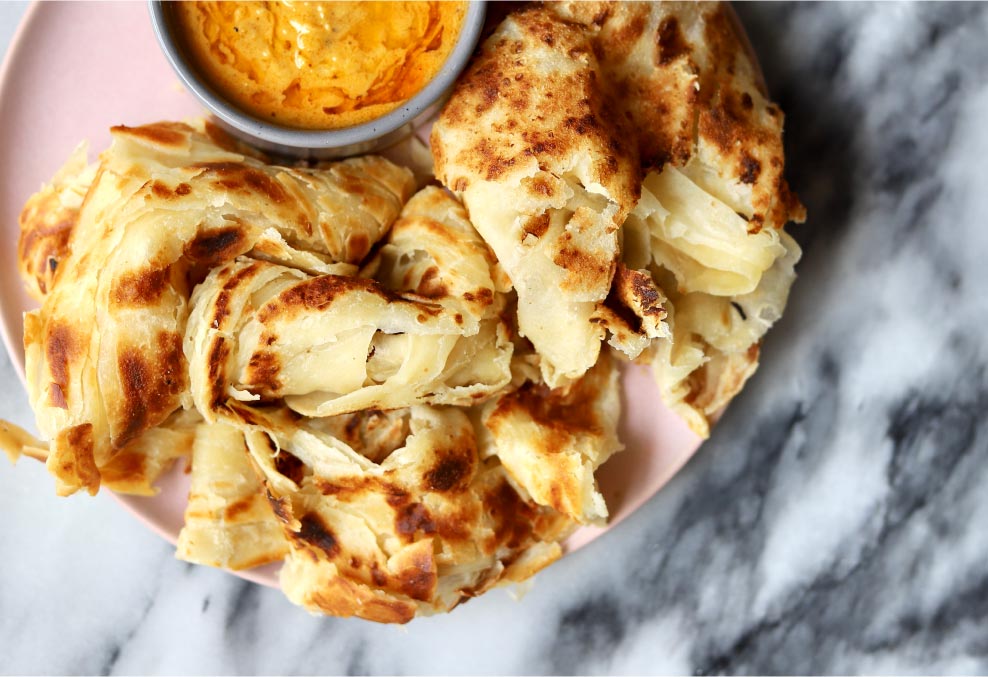
Bak Kut Teh is typically served with steamed white rice or yam rice, accompanied by you tiao (Chinese fried dough), chopped garlic, chilli and dark soy sauce.
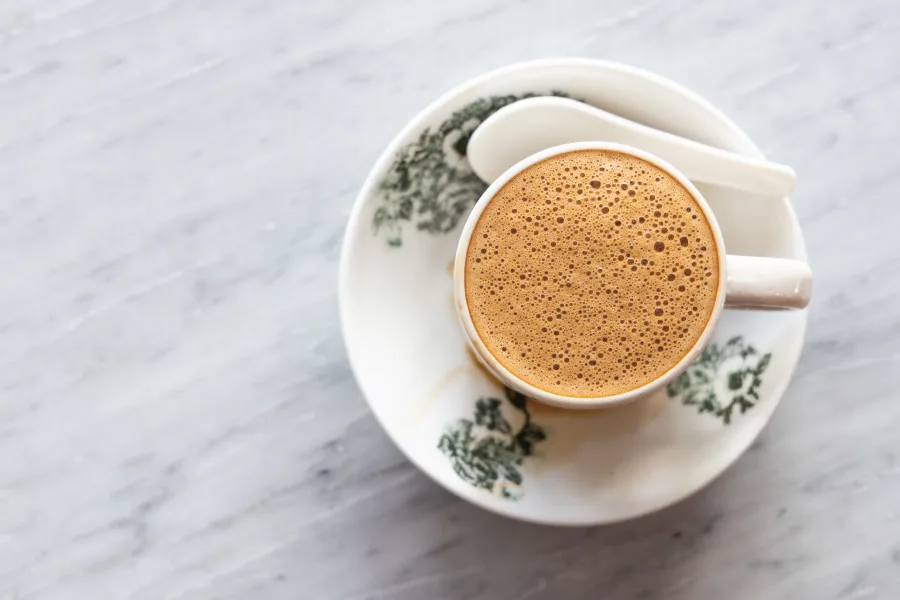
And, of course, Chinese tea.
The Origin of Bak Kut Teh
The exact origin of Bak Kut Teh remains debated.
The dish is strongly associated with Malaysia’s Chinese community, particularly Klang in Selangor, which has become internationally famous for its dark, herbal style.
Several origin stories connect Bak Kut Teh with Chinese labourers and immigrants who arrived in Malaya during the late 19th and early 20th centuries. A hearty combination of pork, herbs and rice would have provided an inexpensive and filling meal for people engaged in physically demanding work.
Other accounts attribute the development of Bak Kut Teh to specific early restaurants or cooks.
What is clear is that the dish became deeply embedded in Malaysian Chinese food culture and eventually developed numerous regional interpretations.
Penang has been eating it for decades too.
Historically, Gurney Drive was home to several Bak Kut Teh stalls serving the morning crowd, while other neighbourhood stalls gradually appeared throughout the island and mainland.
Today, you’ll find Bak Kut Teh from Air Itam to Bayan Lepas, Butterworth and Bukit Mertajam.
Why Is It Called Bak Kut Teh If There Is No Tea in the Soup?
This is probably the most common question first-time visitors ask.
The “tea” is generally understood to refer to the Chinese tea traditionally consumed alongside the meal, rather than an ingredient in the soup itself.
Bak Kut Teh can be rich and fatty, especially when you order pork belly and offal. Strong Chinese tea provides a refreshing counterpoint to that richness.
At traditional restaurants, you’ll often see diners preparing their own pots of tea at the table while waiting for the Bak Kut Teh to arrive.
This ritual is part of the experience.
Don’t rush through the meal. Pour some tea, share a claypot and let breakfast or dinner stretch a little longer.
What Does Bak Kut Teh Taste Like?
That depends enormously on where you eat it.
A good Bak Kut Teh can be:
Herbal — with noticeable aromas from Chinese medicinal herbs and spices.
Garlicky — some recipes use whole cloves or even entire bulbs of garlic.
Savoury — soy sauce and long-simmered pork provide plenty of umami.
Slightly sweet — particularly in darker Malaysian versions.
Peppery — although intensely pepper-driven versions are more strongly associated with Singapore’s Teochew-style Bak Kut Teh.
This variation is exactly why trying several restaurants is worthwhile.
Penang vs Klang vs Singapore Bak Kut Teh
Not all Bak Kut Teh tastes alike.
Klang Bak Kut Teh
Klang is particularly famous for a dark, concentrated and herbal style.
The broth often incorporates dark soy sauce and has considerable body, with pork and herbs providing an intensely savoury flavour.
Some Penang restaurants explicitly specialise in Klang-style Bak Kut Teh.
Penang Bak Kut Teh
Penang doesn’t have one rigidly defined style.
Many local restaurants serve Hokkien-influenced herbal broths ranging from dark and concentrated to relatively clear and lighter.
This diversity is part of the appeal. You can find old-school claypots, individual bowls, dry versions and Klang-inspired interpretations across the state.
Singapore Bak Kut Teh
Singapore is particularly associated with Teochew-style Bak Kut Teh, which generally has a much clearer broth dominated by garlic and white pepper.
The visual difference can be dramatic: Malaysian herbal Bak Kut Teh can appear dark brown, while Singapore’s peppery soup can be almost clear.
If you enjoy one style, don’t assume you’ve experienced them all.
Soup vs Dry Bak Kut Teh
Another important decision awaits you at several Penang restaurants.
Soup Bak Kut Teh
This is the traditional version most people recognise.
Pork and other ingredients are served in an aromatic herbal broth, often bubbling away inside a claypot.
It’s especially satisfying during rainy weather or as an evening meal.
Dry Bak Kut Teh
Despite the name, it isn’t completely dry.
Pork is cooked in a concentrated sauce until the liquid reduces and coats the meat. Depending on the restaurant, ingredients such as dried chilli, dark soy sauce, lady’s fingers and dried cuttlefish may be added.
The result is generally sweeter, saltier, spicier and considerably more intense than soup Bak Kut Teh.
If a restaurant serves both, order one of each for the table.
What Makes a Good Bak Kut Teh?
A Fragrant Herbal Broth
The soup should have enough depth to taste of more than soy sauce.
You should notice layers of herbs, spices, garlic and pork without any single component becoming unpleasantly medicinal.
Tender Pork
Ribs and belly should be tender after long simmering but shouldn’t completely disintegrate when picked up.
Good Ingredient Selection
Part of the joy of Bak Kut Teh is customising your pot.
Ribs, belly, lean meat, intestines, stomach and meatballs all provide different textures.
Soup Refills
At many traditional restaurants, additional broth can be requested as you eat.
This is particularly important because tofu puffs and you tiao have a habit of absorbing everything.
Good Yam Rice
Some diners will insist that fragrant yam rice is almost as important as the Bak Kut Teh itself.
Try it when available.
Best Bak Kut Teh in Penang
Keat Bak Kut Teh

Jalan Padang Tembak, Air Itam,
11400 Penang.
Padang How Bak Kut Teh 豪 肉骨茶

126, Jalan Perak, 10460
George Town, Penang.
Khoon Klang Bak Kut Teh

320, Jalan Perak,
Jelutong, 11600
George Town, Penang.
Lai Xiang Bak Kut Teh 来香砂煲肉骨茶

78, Lintang Mayang Pasir 1,
Bandar Bayan Baru, 11900
Bayan Baru, Penang.
Yi Pin Xiang Bak Kut Teh 一品香肉骨茶

88-3-1, Jalan Jelutong,
11600 Jelutong, Penang.
Lao Fu Zi Bak Kut Teh 老夫子肉骨茶

1273, Jalan Paya Terubung,
11600 Ayer Itam, Penang.
Hong Xiang Bak Kut Teh
88, Jalan Macalister,
11400 George Town, Penang.
Lao Xiang Claypot Bak Kut Teh

6, Lorong Sepakat 1,
Taman Sepakat, 14000
Bukit Mertajam, Penang.
Sin Da Wei 大威肉骨茶

18G, Lorong Maju Utama 1,
Pusat Pernigaan Maju Utama, 14000
Bukit Mertajam, Penang.
Good Master Bak Kut Teh
134, Jalan Tembikai,
Taman Mutiara, 14000
Bukit Mertajam, Penang.
What Should You Order at a Bak Kut Teh Restaurant?
If this is your first time, don’t overcomplicate things.
For two people, try:
- One soup Bak Kut Teh
- Pork ribs + pork belly
- One bowl of yam rice each
- You tiao
- One vegetable
- Chinese tea
For four people, add:
- Dry Bak Kut Teh
- Intestines or pork stomach if everyone eats offal
- Beancurd skin or tofu
- Mushrooms
- Another vegetable
- Additional yam rice
This lets you compare different pork cuts and, importantly, both soup and dry styles.
Why You Tiao Belongs with Bak Kut Teh
You tiao — long strips of fried Chinese dough — might look like a side dish.
It isn’t.
Tear off a piece and dip it briefly into the herbal broth.
The crisp exterior absorbs just enough soup while retaining some texture, creating one of the most satisfying bites of the meal.
Don’t leave it submerged too long unless you deliberately want it completely soft.
White Rice or Yam Rice?
This debate is less consequential than the Bak Kut Teh itself, but yam rice is worth ordering whenever a restaurant does it well.
Yam rice usually contains pieces of yam alongside ingredients and seasoning that make it considerably more aromatic than plain steamed rice.
White rice, however, provides a neutral base that allows the soup to dominate.
If there are several people at the table, order both.
Problem solved.
When Is the Best Time to Eat Bak Kut Teh in Penang?
Historically, Bak Kut Teh was commonly eaten early in the morning.
Today, Penang restaurants operate across very different hours.
Some continue the breakfast tradition, while many have shifted towards dinner and supper, when a steaming claypot feels particularly satisfying.
On a rainy evening, Bak Kut Teh becomes even harder to resist.
Always check current operating hours before travelling specifically for a restaurant because traditional businesses can have unusual rest days and may sell out.
Is Bak Kut Teh Halal?
Traditional Bak Kut Teh is not halal because pork is its defining protein.
However, Malaysia also has dishes inspired by the same herbal cooking concept using chicken or other halal meats, sometimes called Chi Kut Teh or halal Bak Kut Teh.
These should be treated as adaptations rather than assuming a conventional Bak Kut Teh restaurant is suitable for Muslim diners.
If halal status matters, always check current certification directly.
Bak Kut Teh as Part of Penang’s Chinese Food Culture
Bak Kut Teh is interesting precisely because it isn’t usually the first dish tourists associate with Penang.
International visitors arrive searching for Char Koay Teow and Asam Laksa. Yet locals eat within a much broader Chinese food culture encompassing Curry Mee, Chee Cheong Fun, Char Koay Kak, dim sum, chu char and Bak Kut Teh.
Exploring these dishes reveals a more everyday side of Penang.
Have dim sum for breakfast. Eat Chee Cheong Fun at a market. Find Char Koay Kak in an old coffee shop. Gather the family around a chu char dinner.
Then sit around a bubbling claypot of Bak Kut Teh with a pot of Chinese tea.
That’s when a Penang food trip begins moving beyond a checklist of famous dishes.
Frequently Asked Questions About Bak Kut Teh in Penang
Where can I find the best Bak Kut Teh in Penang?
Popular options on Penang Island include Khoon Klang, Padang How, Hong Xiang, Lai Xiang and Old Klang Street. On the mainland, Lao San Tong in Butterworth and several restaurants around Bukit Mertajam are worth exploring.
Is Penang famous for Bak Kut Teh?
Penang isn’t as closely associated with Bak Kut Teh as Klang, but the dish has been part of local Chinese food culture for decades and there are numerous established restaurants across both the island and mainland.
What is the difference between Penang and Klang Bak Kut Teh?
Penang doesn’t have a single rigid style. Local restaurants serve everything from lighter herbal broths to darker Klang-influenced versions. Klang is particularly associated with rich, dark and intensely herbal Bak Kut Teh.
What is dry Bak Kut Teh?
Dry Bak Kut Teh cooks pork in a concentrated sauce until much of the liquid reduces. It is typically darker, sweeter, spicier and more intense than the soup version.
Why is Bak Kut Teh called “tea”?
The name is commonly associated with the Chinese tea traditionally consumed alongside the pork and herbal soup, rather than tea being used as the main soup ingredient.
What should I eat with Bak Kut Teh?
Rice or yam rice, you tiao, vegetables, tofu and Chinese tea are the classic accompaniments.
Where can I find Bak Kut Teh on mainland Penang?
Raja Uda in Butterworth and Bukit Mertajam are particularly good places to start, with established restaurants including Lao San Tong, Lao Xiang, Good Master and Wang Ji.
Is Bak Kut Teh eaten for breakfast?
Traditionally, yes, although many Penang Bak Kut Teh restaurants now operate mainly during dinner and evening hours.
You don’t come to Penang specifically for Bak Kut Teh in the same way you might travel here dreaming about Char Koay Teow or Asam Laksa.
And that’s precisely why it’s worth eating.
Bak Kut Teh takes you beyond Penang’s tourist food checklist and into something closer to everyday Chinese dining culture — families sharing pork ribs around a bubbling claypot, pieces of you tiao disappearing into herbal broth, and pots of Chinese tea being refilled throughout the meal.
Start on the island with the strong herbal flavours of Khoon Klang or an old-school neighbourhood favourite. Then cross to Butterworth for Lao San Tong or explore Bukit Mertajam’s surprisingly deep Bak Kut Teh scene.
Try soup and dry versions. Compare white rice with yam rice. Order cuts of pork you’ve never tried before.
There may not be one definitive Penang Bak Kut Teh style, but that’s exactly what makes exploring it interesting.
Continue your food journey with our guides to the best Curry Mee in Penang, best Char Koay Teow in Penang, best Char Koay Kak in Penang, best Chee Cheong Fun in Penang, best dim sum in Penang and best chu char restaurants in Penang.
And if you’re ready to venture beyond the island, use our Penang Mainland and Bukit Mertajam guides to discover how much of Penang’s food culture exists on the other side of the bridges.