Every year during the seventh month of the Chinese lunar calendar, Chinese communities across Penang observe the Hungry Ghost Festival, also commonly known as Ghost Month.
According to traditional belief, the gates separating the spiritual and human worlds open during this period. Deceased ancestors may return to visit their families, while wandering spirits are believed to roam among the living in search of food, prayers and entertainment.
Throughout Penang, temples, businesses and neighbourhood associations prepare food offerings, burn incense and joss paper, conduct prayers, and organise Chinese opera or getai performances. These customs are especially visible in George Town, Air Itam, Jelutong and other established Chinese communities.
If you are unfamiliar with the observance, our complete guide to the Hungry Ghost Festival in Penang explains its history, Phor Thor traditions, rituals and community celebrations.
Ghost Month is also surrounded by numerous taboos passed down through generations. Not every family follows every belief, but understanding them can help visitors avoid unintentionally disrespecting local customs.
Here are some of the things you traditionally shouldn’t do during the Hungry Ghost Festival.
Avoid Going Out Very Late At Night
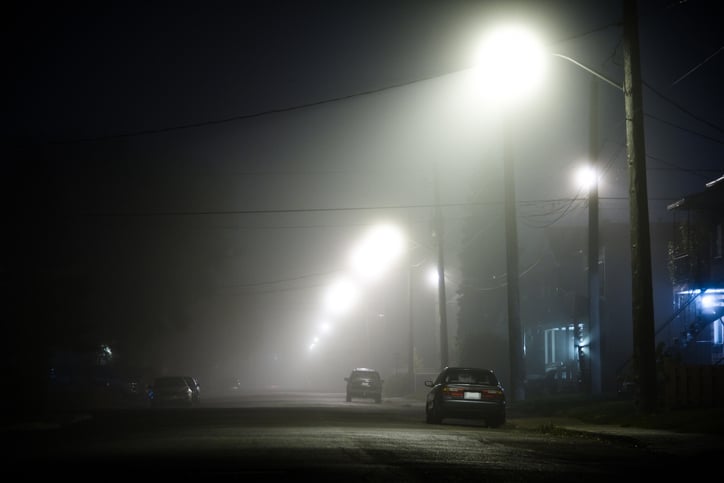
Traditional belief holds that wandering spirits become more active after sunset, particularly late at night. Children and pregnant women are sometimes advised to return home early during the seventh lunar month.
For most people today, this is a personal or family belief rather than a strict rule. Penang continues to operate normally throughout Ghost Month, and evening getai performances are an important part of the celebration.
Nevertheless, those who observe traditional customs may avoid unnecessary late-night outings, especially in quiet places, near bodies of water or around unattended offering sites.
Visitors attending a performance should use the same practical precautions they would on any evening: remain aware of their surroundings, respect residential neighbourhoods and arrange safe transport home.
Don’t Disturb or Step on Roadside Offerings

Food, incense, candles and joss paper are commonly placed beside roads, near trees, outside businesses and around neighbourhood altars.
These items are offerings for ancestors, deities or wandering spirits. Avoid stepping over them, kicking them aside or moving them out of your way. Even if the offerings appear abandoned, they may still be part of an active ritual.
If you accidentally step on or disturb an offering, traditional advice is to apologise quietly and move away respectfully.
From a practical perspective, you should also remain cautious around lit candles, incense and smouldering paper, particularly when walking at night.
What Should You Do If You Accidentally Disturb an Offering?
If you accidentally step on joss paper, knock over an offering or enter a ceremonial area, remain calm.
Move away carefully, apologise politely and inform an organiser if anything has been damaged. Do not make a joke about the incident or attempt to rearrange ceremonial objects without permission.
Most organisers understand that visitors may be unfamiliar with the customs. A respectful response is more important than panicking over the mistake.Are Hungry Ghost Festival Taboos Religious Rules?
Don’t Sit in the Empty Front Row at a Getai Performance

Chinese opera and getai performances are organised during Hungry Ghost Month to entertain spiritual visitors as well as living audiences.
You may notice that seats in the first row are left empty even when the rest of the venue is crowded. According to tradition, these seats are reserved for wandering spirits—the performance’s unseen guests of honour.
Visitors are generally welcome to watch public performances, but they should choose seats farther back unless an organiser specifically indicates otherwise.
The combination of religious rituals and public entertainment makes getai one of the most distinctive features in Penang’s wider calendar of cultural events and festivals.
Avoid Swimming or Other Water Activities at Night

One traditional superstition warns that spirits of people who drowned may remain near rivers, lakes or the sea while waiting for someone to replace them.
As a result, some families discourage swimming and other water activities during Ghost Month, particularly after sunset. Those who continue swimming may prefer to do so during daylight hours at supervised locations.
Regardless of spiritual beliefs, avoiding isolated or poorly lit bodies of water at night is sensible for practical safety reasons.
Avoid Major Life Events if Your Family Observes the Tradition
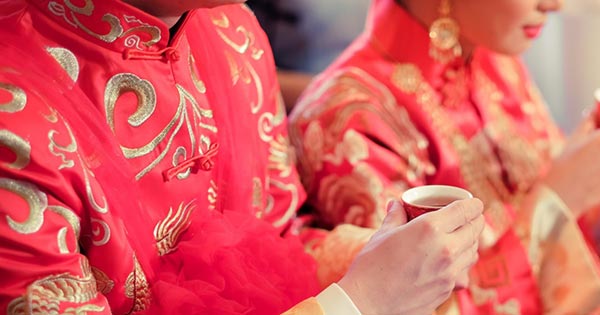
The seventh lunar month is traditionally considered an inauspicious time for major beginnings. Some families therefore avoid:
- Getting married
- Moving into a new home
- Purchasing property
- Opening a business
- Beginning major renovations
- Signing important agreements
- Holding elaborate celebrations
The belief is that major milestones should begin under more auspicious circumstances rather than during a month associated with wandering spirits and the deceased.
Modern attitudes differ considerably. Many people continue with their plans as usual, while others select another date out of respect for older relatives or family traditions.
Avoid Whistling, Singing or Calling Out Unnecessarily at Night
According to popular superstition, whistling or singing at night may attract the attention of wandering spirits. Some people also avoid repeatedly calling another person’s full name after dark in case an unseen presence responds or follows them.
These beliefs differ between families and communities. Even if you do not personally observe them, keeping noise to a minimum is considerate when walking through residential areas or near prayer ceremonies.
Getai performances can be energetic and loud, but this does not mean visitors should create additional disturbances around nearby altars or homes.
Don’t Place Chopsticks Vertically in a Bowl of Rice
Placing a pair of chopsticks upright in a bowl of rice resembles incense sticks standing in an offering. Because of this association with worship and death rituals, the arrangement is considered inauspicious in Chinese culture—not only during Ghost Month, but throughout the year.
When eating, place your chopsticks horizontally across your bowl or rest them on a chopstick holder instead.
This is a useful etiquette rule to remember whenever you dine in a Chinese household or traditional restaurant.
Don’t Take or Eat Food From an Offering Table
Festival altars can be covered with fruit, rice, noodles, pastries, meat, drinks and other dishes. Although some of the food may look untouched, it is not intended for passers-by.
Taking something from an offering table is regarded as disrespectful because the food has already been presented to its spiritual recipients. Do not treat the display like a public buffet or remove items for photographs.
After the ceremony, the organisers may distribute certain food among participating families or community members. Wait for a clear invitation rather than assuming it is available.
Don’t Touch Religious Effigies or Ritual Objects
Temporary altars may contain statues, incense urns, prayer flags and large papier-mâché effigies. One of the most recognisable is Da Shi Ye, a guardian figure associated with maintaining order among wandering spirits during Hungry Ghost Month.
These objects are not decorations or photography props. Do not touch, lean against, reposition or pose disrespectfully beside them.
The same principle applies when visiting any of Penang’s Chinese temples and sacred sites. Many are active places of worship where statues, altars and ceremonial objects retain religious significance.
Avoid Making Jokes About the Spirits or Ceremonies
The word “ghost” can make the festival sound frightening or entertaining to outsiders, but its rituals are meaningful to the communities observing them.
Avoid mocking the offerings, making jokes about the unseen audience or pretending to interact with the spirits for photographs and social media videos.
The festival is connected to ancestor remembrance, compassion for forgotten souls and the responsibilities of the living towards the deceased. Treating it merely as a supernatural spectacle can trivialise its cultural and religious meaning.
It is also misleading to describe the occasion simply as a “Chinese Halloween”. The two celebrations have very different purposes and traditions.
Don’t Pick Up Coins or Unfamiliar Objects From the Road
During Ghost Month, coins and other small objects may be included among roadside offerings. Traditional belief warns against picking them up because they may already have been presented to wandering spirits.
Some rituals may also involve objects that carry a specific ceremonial meaning unknown to casual passers-by.
The simplest rule is to leave unfamiliar items where they are, particularly when they are positioned near incense, candles, food or joss paper.
Don’t Open an Umbrella Indoors
In some Chinese folk traditions, umbrellas are believed to provide shelter for spirits. Opening one inside a home is therefore thought to invite an unwanted spiritual presence indoors.
The superstition is not limited exclusively to Hungry Ghost Month, but it receives greater attention during the seventh lunar month when wandering spirits are believed to be present among the living.
As with many Ghost Month taboos, the significance attached to this practice varies between families.
Don’t Assume Every Chinese Person Follows the Same Taboos
Hungry Ghost Festival customs are not identical across all Chinese communities.
Practices may vary according to dialect group, religious tradition, family background and personal belief. Some people observe numerous precautions throughout the month, while others participate only in ancestor worship or community events. Some may not observe the festival at all.
Ask respectful questions rather than telling someone what they supposedly must or must not do. Understanding these differences is an important part of appreciating Penang’s multicultural identity.
Are Hungry Ghost Festival Taboos Religious Rules?
Most Ghost Month taboos are better described as folk beliefs and customary precautions rather than formal rules followed identically by every Taoist or Buddhist.
The festival itself incorporates Taoist, Buddhist and Chinese folk-religious traditions. Family customs have also evolved across different regions and generations.
Some taboos express spiritual concerns, while others reinforce practical values such as respecting offerings, behaving carefully at night and avoiding disruption during ceremonies.
Visitors do not need to believe every superstition, but they should respect practices that affect community altars, performances and places of worship.
Can You Still Travel During Hungry Ghost Month?
Yes. Penang remains open and daily life continues normally during the seventh lunar month. Hotels, restaurants, attractions and public transport operate as usual.
Some people personally avoid travelling, swimming or beginning major undertakings during the month, but these are customary beliefs rather than public restrictions.
For visitors, Ghost Month can be an interesting time to experience neighbourhood getai, Chinese opera and community traditions. Browse our guide to Penang’s neighbourhoods to become familiar with areas such as George Town, Air Itam, Jelutong and Pulau Tikus before exploring.
Frequently Asked Questions
When is Hungry Ghost Month?
Hungry Ghost Month falls during the seventh month of the Chinese lunar calendar. Its Gregorian dates change annually, usually placing it around August or September.
What is the most important day of the Hungry Ghost Festival?
The fifteenth day of the seventh lunar month is generally regarded as the principal festival day. However, neighbourhood ceremonies and performances may occur throughout the month.
Why shouldn’t you sit in the first row at getai?
The empty front-row seats are traditionally reserved for wandering spirits, who are regarded as the performance’s honoured guests.
Can you go out at night during Hungry Ghost Month?
There is no legal or public restriction against going out at night. Avoiding late-night outings is a traditional belief observed by some individuals and families.
Can you attend getai if you are not Chinese?
Yes. Public getai and Chinese opera performances generally welcome spectators of all backgrounds. Avoid the reserved front row and behave respectfully around altars and worshippers.
Is it bad luck to get married during Ghost Month?
Some families regard the seventh lunar month as inauspicious and avoid weddings during this period. Others do not follow the belief, so the decision depends on personal and family traditions.
What happens if you step on an offering accidentally?
Move away carefully and apologise politely. If you damage the altar or offering, notify one of the organisers rather than attempting to repair it yourself.
Is Hungry Ghost Festival the same as Halloween?
No. The Hungry Ghost Festival centres on offerings, ancestor remembrance and compassion for wandering spirits. Halloween has different historical origins and contemporary customs.
Respecting the Traditions of Hungry Ghost Month
Hungry Ghost Month is often presented through stories about supernatural danger and bad luck, but its meaning extends far beyond superstition.
The observance encourages people to remember their ancestors, provide for forgotten spirits and preserve relationships between families and communities. Penang’s Phor Thor celebrations also bring neighbourhoods together through worship, performances, shared meals and fundraising.
Whether or not you personally believe in the taboos, avoiding interference with offerings, rituals and reserved spaces is a simple expression of cultural respect.
To learn more about the stories behind the altars, effigies and stage performances, continue with our complete guide to the Hungry Ghost Festival in Penang.