Penang is more than just food and heritage streets—it is also deeply rooted in spirituality and tradition. Across the island and mainland, Chinese temples form an essential part of the cultural landscape, reflecting centuries of migration, belief systems, and community life.
From grand hilltop complexes to humble roadside shrines, these temples are living spaces of worship, history, and architecture. Whether you are exploring George Town, heading into the hills of Air Itam, or venturing to the mainland, you will find temples that tell stories of devotion, resilience, and identity.
If you are planning your itinerary, you can pair these temple visits with our Penang travel guide, or explore nearby cultural attractions such as George Town’s heritage streets and Penang’s museums.
Why Visit Chinese Temples in Penang?
Chinese temples in Penang are not just religious sites—they are:
- Historical landmarks reflecting early Chinese settlement
- Architectural gems with intricate carvings, murals, and altars
- Cultural centres for festivals, rituals, and community gatherings
- Spiritual spaces where locals continue centuries-old traditions
Many temples are also tied to specific communities (Hokkien, Cantonese, Hainanese, Teochew), offering insight into Penang’s multicultural Chinese heritage.
Major Chinese Temples in Penang
Kek Lok Si Temple 极乐寺


Perched on the hills of Air Itam, Kek Lok Si is the largest Buddhist temple in Malaysia and one of the most iconic landmarks in Penang. Built in stages since the late 19th century, it represents a fusion of Mahayana Buddhism with strong cultural influences from Chinese, Thai, and Burmese traditions. The temple complex is vast, layered, and immersive—making it both a spiritual destination and a visual experience.
Highlights:
- Towering Guan Yin statue overlooking Penang
- Pagoda of Buddhas with multi-cultural architecture
- Extensive hillside temple complex to explore
- Illuminated beautifully during Chinese New Year
- Panoramic views of Penang especially Air Itam town
Location: Jalan Balik Pulau, 11500 Ayer Itam, Penang.
Goddess of Mercy Temple (Kuan Yin Temple)

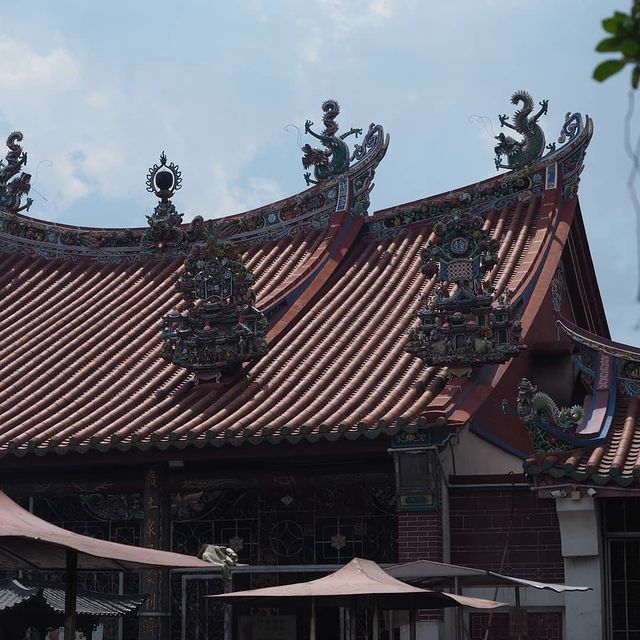
Located along Jalan Masjid Kapitan Keling in George Town, this temple is one of the oldest Chinese temples in Penang, dating back to the early 18th century. Dedicated to Guan Yin, the Goddess of Mercy, it has long been a spiritual anchor for the Chinese community. Despite being surrounded by busy streets and heritage attractions, the temple maintains a calm, reverent atmosphere filled with incense smoke and quiet prayers.
Highlights:
- One of the oldest temples in George Town
- Dedicated to Guan Yin, widely worshipped by locals
- Active place of worship with continuous visitor flow
- Located within the heritage core near cultural landmarks
- Strong connection to daily spiritual practices
Location: 30, Jalan Masjid Kapitan Keling, George Town, 10200 George Town, Penang.
Snake Temple
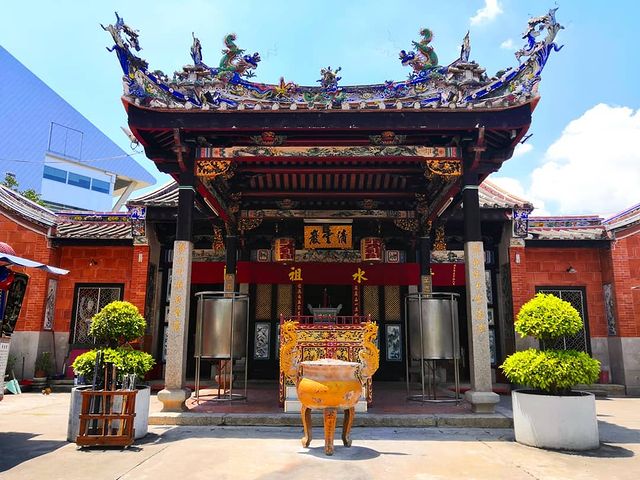
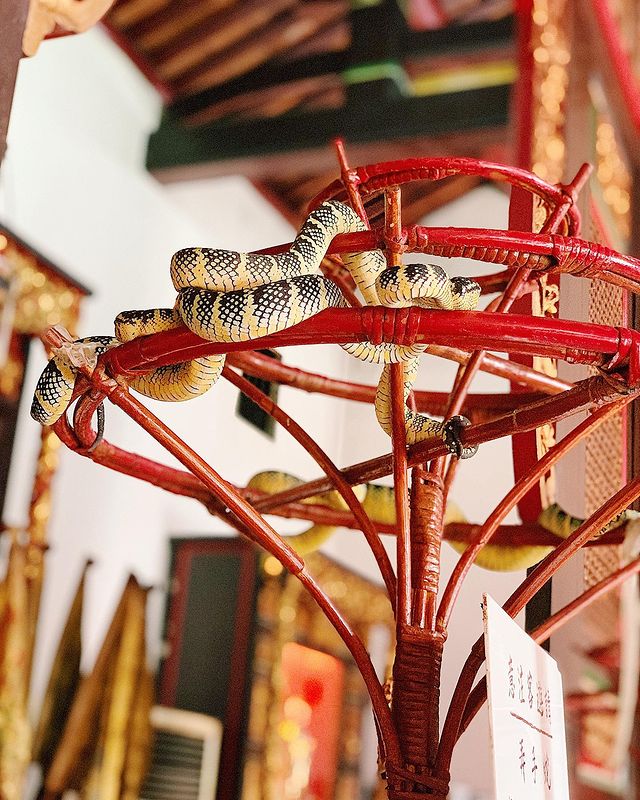
The Snake Temple is one of the most unusual religious sites in Malaysia. Built in honour of Chor Soo Kong, a Buddhist monk believed to have healing powers, the temple gained fame for its resident pit vipers that freely inhabit the shrine. These snakes are said to be docile due to the sacred environment and incense-filled air, creating an atmosphere that feels both mystical and surreal.
Highlights:
- Live pit vipers resting within the temple
- Dedicated to monk Chor Soo Kong
- Unique blend of spirituality and folklore
- Located near Penang International Airport
- One of Penang’s most distinctive attractions
Location: 10, Jalan Sultan Azlan Shah, Bandar Bayan Baru, 11900 Bayan Lepas, Penang.
Hean Boo Thean Temple 玄母殿
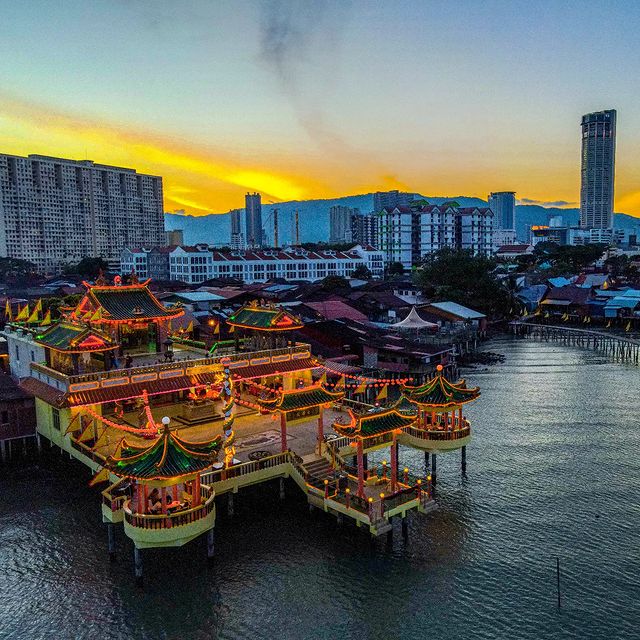

Hean Boo Thean Temple stands out as one of Penang’s more unique spiritual sites—a “floating temple” perched right at the water’s edge near the reclamation area, not far from the historic clan jetties. Its position gives it a distinct atmosphere, where the sea, breeze, and quiet surroundings blend into a calm and reflective experience. Unlike larger temple complexes, it feels intimate and deeply local, offering a glimpse into everyday devotion.
Highlights:
- Unique “floating temple” setting by the sea
- Located near Clan Jetties of Penang
- Peaceful and less crowded compared to major temples
- Strong Taoist influences in rituals and design
- A hidden gem that reflects Penang’s coastal heritage
Location: 52A, Reclamation Area, Pengkalan Weld, George Town, 10300 Penang.
Tanjung Tokong Tua Pek Kong Temple 海珠嶼大伯公廟

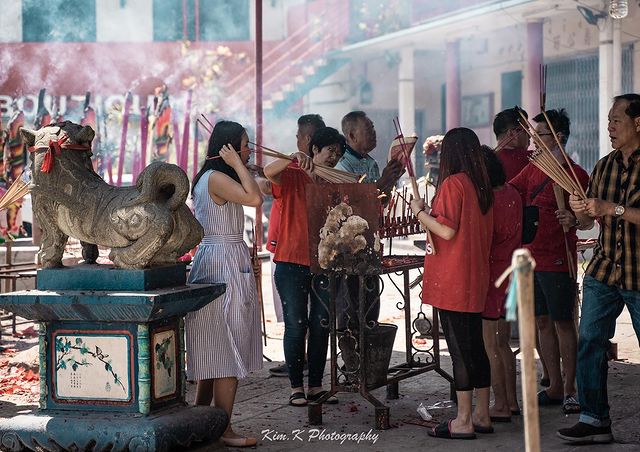
Located along the coast, this temple is one of the oldest in Penang and is dedicated to Tua Pek Kong, a deity associated with prosperity and protection. Its seaside setting adds a unique charm, with the temple historically serving as a spiritual point for early Chinese settlers arriving by sea. Today, it remains an important site for prayers, especially among those seeking blessings for business and wealth.
Highlights:
- Historic temple with strong heritage significance
- Scenic coastal location in Tanjung Tokong
- Dedicated to Tua Pek Kong (prosperity deity)
- Popular during festive celebrations especially during the 14th night of Chinese New Year
- Deep roots in early migrant history
Location: Jalan Tokong Thai Pak Koong, Tanjong Tokong, 11200 Penang.
Hainan Thean Hou Temple 天后宮

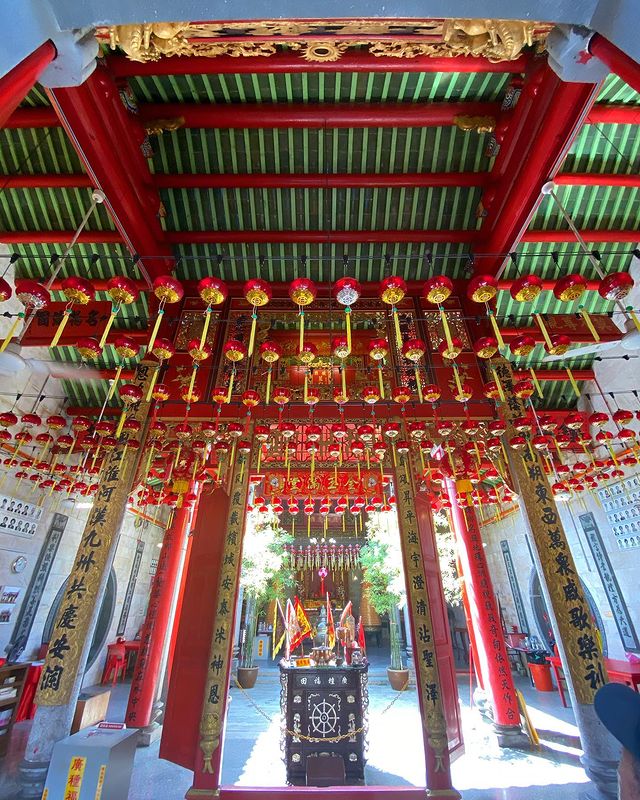
Tucked along Lebuh Muntri, this small yet meaningful temple reflects the presence and influence of the Hainanese community in Penang. It is easy to miss while walking past, but stepping inside reveals a calm and intimate space filled with heritage charm. Its location within the UNESCO zone makes it a great stop when exploring George Town on foot.
Highlights:
- Located within a heritage street setting
- Represents the Hainanese community
- Quiet, intimate temple atmosphere
- Ideal stop during a George Town UNESCO World Heritage Site walk
- Often overlooked by tourists
Location: 93, Lebuh Muntri, 10450 George Town, Penang.
Tow Boo Kong Temple 北海斗母宫

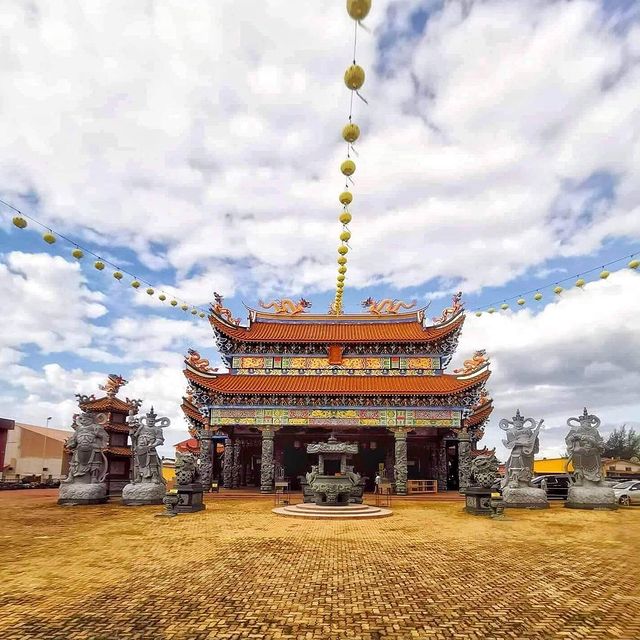
Tow Boo Kong Temple in Butterworth is one of the most important temples on mainland Penang, especially known for its connection to the Nine Emperor Gods Festival. During this annual celebration, the temple transforms into a vibrant centre of devotion, attracting large crowds of worshippers who participate in rituals, processions, and vegetarian observances. Outside the festival period, the temple remains a significant spiritual hub for the local community.
Highlights:
- Key temple for the Nine Emperor Gods Festival
- Most vibrant and crowded during festival period
- Located in Butterworth
- Major gathering point for devotees and rituals
- Large-scale temple complex with active community presence
Location: 894 & 896, MK14, Jalan Raja Uda, 12300 Butterworth, Penang.
Thean Hock Keong Temple 槟城北海船仔头天福宫
Thean Hock Keong Temple is a classic example of traditional Chinese temple architecture, with ornate detailing, symbolic motifs, and a strong spiritual presence. While it may not be as widely known as larger temples, it remains an important place of worship for locals and offers a deeper appreciation of traditional design and ritual practices.
Highlights:
- Traditional Chinese temple layout and design
- Rich symbolic carvings and decorations
- Active place of worship for locals
- Calm and spiritual ambience
- Less commercialised experience
Location: Jalan Pantai Bersih, Butterworth 13000 Penang.
Bukit Mertajam Tua Pek Kong Temple
Bukit Mertajam Tua Pek Kong Temple is not only a place of worship but also a lively local destination known for its surrounding food scene. Located in Bukit Mertajam, the temple is closely associated with Pek Kong Cheng, a popular cluster of hawker stalls offering a wide variety of local dishes. This combination of spirituality and food culture makes it a unique stop, where visitors can experience both devotion and Penang’s street food heritage in one visit.
Highlights:
- Famous for nearby Pek Kong Cheng food stalls
- Combines temple visit with local street food experience
- Popular among both devotees and food lovers
- Located in Bukit Mertajam
- Lively atmosphere, especially during peak hours
Location: Jalan Pasar, 14000 Bukit Mertajam, Penang.
Beyond the Main Temples: Hidden Shrines & Local Gems
While the temples above are among the most well-known, Penang is filled with smaller temples and roadside shrines—often tucked between shophouses, hidden in residential areas, or quietly standing at street corners.
These smaller spaces are just as meaningful. They reflect:
- Everyday spirituality of local communities
- Personal altars maintained by families or businesses
- Micro-histories of neighbourhoods
If you explore areas like George Town’s inner streets, Air Itam, or even older mainland towns, you’ll constantly encounter these hidden spiritual markers.
Tips for Visiting Chinese Temples in Penang
- Dress respectfully (covered shoulders and knees recommended)
- Be mindful of worshippers—these are active religious spaces
- Visit during festivals for a more vibrant experience
- Combine temple visits with nearby attractions and food spots
When to Visit
The best time to explore temples in Penang is during major festivals:
- Chinese New Year (especially at Kek Lok Si)
- Nine Emperor Gods Festival
- Wesak Day
- Chap Goh Meh
- Depending on the main deities in each temple, there are different celebrations throughout the year
During these periods, temples come alive with lanterns, prayers, and cultural rituals.
Exploring Chinese temples in Penang offers a deeper layer to your journey—beyond food and sightseeing. These spaces are where history, belief, and daily life intersect.
From iconic landmarks like Kek Lok Si Temple to hidden neighbourhood shrines, each temple adds a different perspective to understanding Penang’s identity.
If you’re building a full itinerary, consider combining this with:
- A George Town heritage walk
- A Penang food guide
- A neighbourhood exploration series