A good souvenir should remind you of the place long after the journey ends. In Penang, that could mean opening a box of flaky tau sar pneah, mixing a glass of nutmeg juice, cooking with fragrant sesame oil or displaying an artwork inspired by George Town’s heritage streets.
Penang’s multicultural history has produced an equally diverse selection of local products. Its most meaningful souvenirs reflect the island’s Chinese, Malay, Indian and Peranakan communities, as well as its food culture, agricultural traditions and creative scene.
If you are wondering what to buy in Penang, this guide covers the best edible souvenirs, traditional crafts and locally made gifts—along with where to find them and how to bring them home safely.
Before planning your shopping stops, explore our complete Penang travel guide for more ideas on what to see, eat and experience around the island and mainland.
Best Food Souvenirs from Penang
Nutmeg Products

Nutmeg has long been cultivated in Penang, particularly around Balik Pulau. The fruit, seed and outer covering can be turned into many different products, making nutmeg one of the most distinctive souvenirs from the island.
Popular choices include nutmeg juice concentrate, syrup, dried nutmeg slices, preserved fruit, sweets, balm and aromatic oil. Nutmeg drinks have a sweet, tangy and slightly spicy flavour that is quite different from common tropical fruit juices.
For a deeper look at the agricultural side of Penang, consider spending a day exploring Balik Pulau, where orchards, farms and traditional villages offer a slower contrast to George Town.
Buying tip: Bottled syrup and juice concentrate should be sealed carefully and packed in checked luggage. Wrap each bottle separately to prevent leaks.
Where to get it:
- Cheong Kim Chuan: 99-B, Lorong Selamat, 10400 George Town, Penang.
- Lim Wah Thai: 3-A, Jalan Gottlieb, 10350 George Town, Penang.
- Tean Ean Local Products (M) Sdn Bhd: 90, Jalan Sultan Ahmad Shah, 10050 George Town, Penang.
- Ghee Hup Nutmeg Factory: MK3, 202A, Jalan Tanjung Bungah, Kampung Sg. Pinang, 11000 Balik Pulau, Penang.
- Local product shops, Chowrasta Market, Balik Pulau farms and nutmeg producers.
Penang Rojak Paste

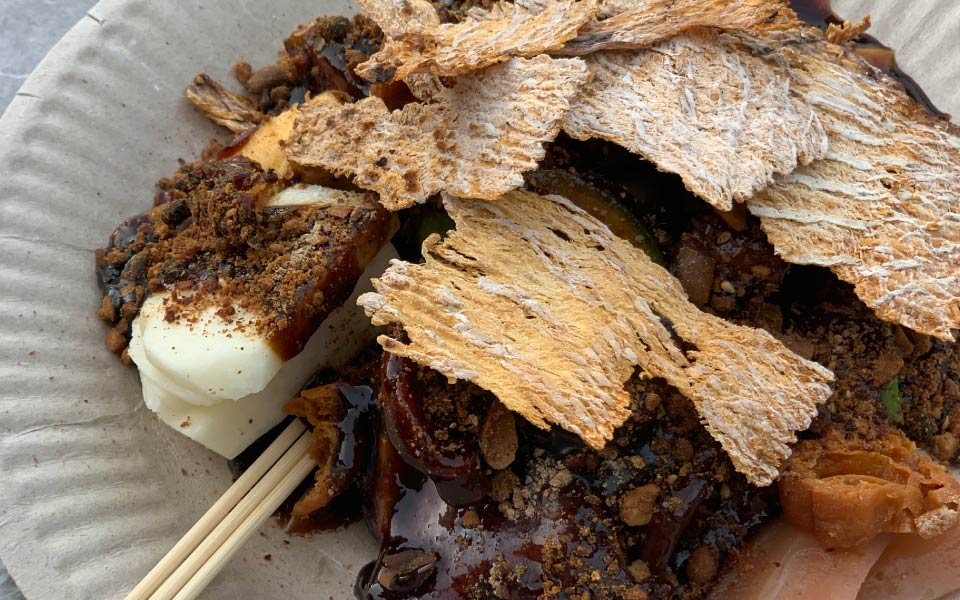
Penang rojak is a mixture of fresh fruit and vegetables coated in a thick, dark sauce. The paste usually combines sweet, savoury and mildly spicy flavours, with crushed peanuts adding texture when the dish is served.
Bringing home a bottle of rojak paste allows you to recreate part of the Penang food experience. Simply cut pineapple, cucumber, guava, jicama or other crisp fruits, then toss them with the paste and top everything with crushed peanuts.
It may not perfectly reproduce the rojak served by a Penang hawker, but it makes an enjoyable and practical gift for someone who likes experimenting in the kitchen. You can discover more local specialities in our guide to the best street food in Penang.
Buying tip: Check whether the paste needs refrigeration after opening and pack glass bottles securely.
Where to get it:
- Cheong Kim Chuan: 99-B, Lorong Selamat, 10400 George Town, Penang.
- Lim Wah Thai: 3-A, Jalan Gottlieb, 10350 George Town, Penang.
- Local product shops, rojak stalls, markets and selected supermarkets across Penang.
Crushed Peanut Candy

Crushed peanut candy is known as kacang tumbuk in Malay and kong th’ng in Penang Hokkien. Made primarily with peanuts and sugar, it has a dry, crumbly texture that dissolves quickly in the mouth.
Older generations may remember enjoying this candy while watching Chinese street opera performances. One traditional way of eating it is to wrap the candy in a thin popiah skin, which helps contain the crumbs while adding another layer of texture.
Small packets are affordable and easy to distribute among friends, colleagues or family members.
Buying tip: Keep it away from heat and pressure because the candy can break and crumble inside its packaging.
Where to get it:
- Ang Seng Heong: 326-U Ground Floor, Jalan Perak, Taman Ara, 11600 George Town, Penang.
- Uncle Lim Kacang Tumbuk
- Traditional confectionery shops, local markets and selected biscuit shops.
Penang Sesame Oil

Fragrant sesame oil is an important ingredient in many Chinese and Nyonya kitchens. It is used in stir-fries, soups, marinades, braised dishes and comforting home-cooked meals.
Ghee Hiang is one of the best-known heritage brands associated with sesame oil in Penang. Its distinctive bottles have become a familiar gift among generations of Malaysian families.
Unlike pastries, sesame oil has a relatively long shelf life and can be used repeatedly after the trip. It is particularly suitable for friends or relatives who enjoy cooking.
Buying tip: Check the bottle seal before packing it in a plastic bag and cushioning it inside checked luggage.
Where to get it: Ghee Hiang outlets and selected local product stores.
Pickled Fruits

Known locally as jeruk, pickled fruits are a familiar Penang snack. Fruits and vegetables are preserved to create combinations of sweetness, sourness, saltiness and crunch.
Common varieties include mango, papaya, guava, nutmeg, ambarella, kelubi and even garlic. Some are mildly sweet and refreshing, while others have a sharper flavour that may take first-time visitors by surprise.
Jeruk is a good choice for travellers who prefer something tangy instead of another box of biscuits. Sealed packets and containers are also easier to transport than freshly packed pickles.
Where to buy it: Chowrasta Market, Jeruk Madu Pak Ali outlets and local product shops around George Town.
Buying tip: Choose factory-sealed packaging if you are flying or crossing an international border. Always check the food import requirements of your destination.
Tau Sar Phneah

Tau sar pneah—also commonly written as tau sar piah—is probably Penang’s most recognisable edible souvenir. These small, round pastries have a delicate, flaky exterior surrounding a savoury-sweet mung bean filling.
Traditional versions are subtly salty and often contain fried shallots, while modern bakeries may offer pandan, red bean, durian and other variations. The original mung bean version remains the classic choice for anyone trying it for the first time.
Tau sar pneah is convenient to share, but freshly baked pastries generally have a limited shelf life. Check the expiry date before buying and choose a box produced as close as possible to your departure date.
Where to buy it: Established Penang bakeries such as Him Heang, Ghee Hiang, Ban Heang and other traditional biscuit shops around George Town.
Buying tip: Keep the box upright and place it between soft clothing in your luggage, as the pastry shells crumble easily.
Beh Teh Saw & Other Traditional Biscuits
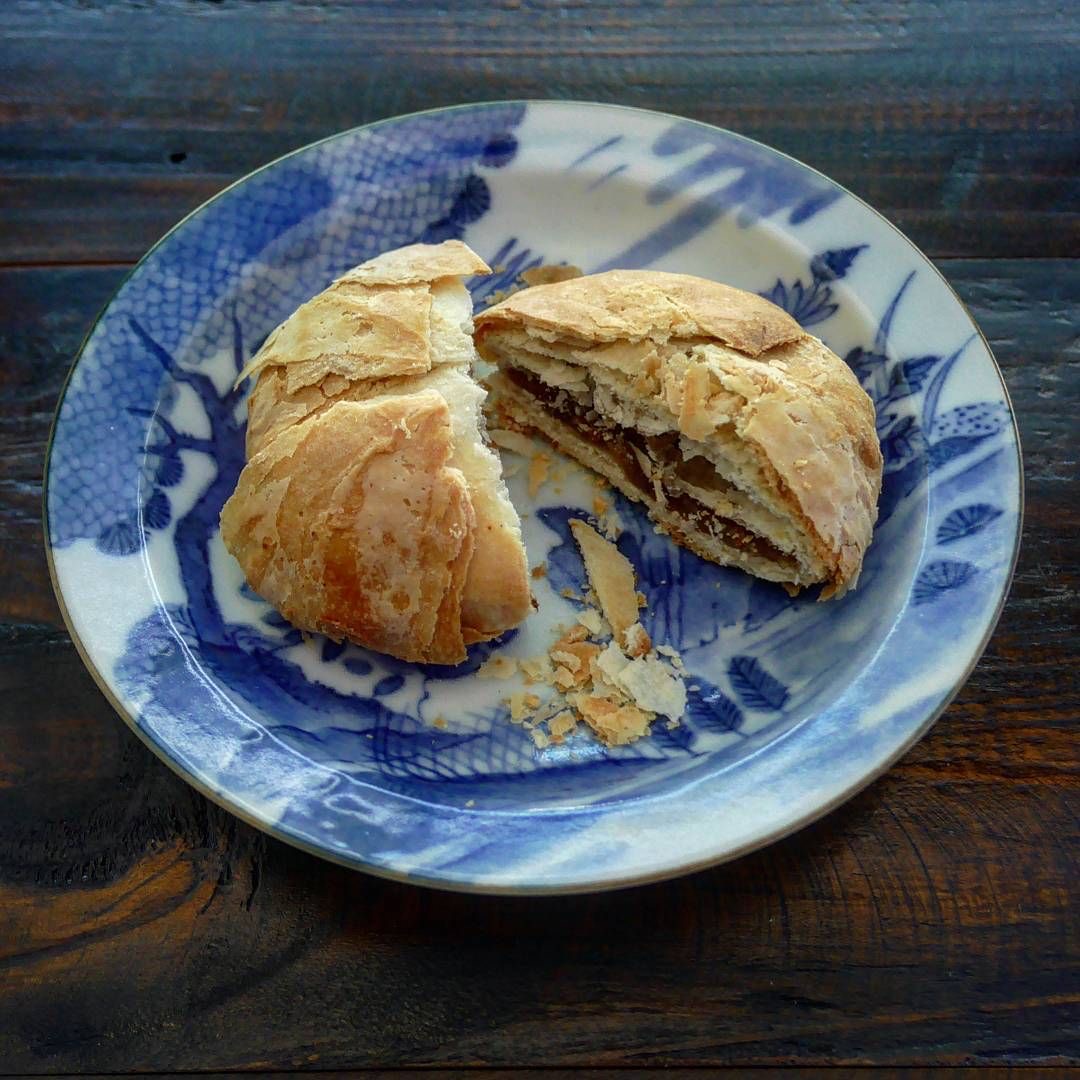
Penang’s biscuit shops sell much more than tau sar pneah. Beh teh saw, whose Hokkien name refers to its resemblance to a horse’s hoof, has a flaky exterior and a sticky maltose filling with a gentle sweetness.
Other traditional pastries to look for include phong pneah, heong pneah, coconut tarts, peanut cookies and small moon-shaped biscuits. An assorted box is ideal when buying for a family or workplace because everyone can sample several varieties.
These pastries are closely connected to Penang’s traditional Chinese baking culture and make a more interesting gift than mass-produced snacks found throughout Malaysia.
Where to buy it: Traditional bakeries around George Town, including Ghee Hiang, Him Heang and independent biscuit shops.
Buying tip: Ask the shop which products have the longest shelf life if you still have several days of travelling ahead.
Where to get it:
- Hock Lok Siew Biscuit Trading: 120, Lebuh Noordin, 10300 George Town, Penang.
- Ghee Hiang
- Him Heang: 162A, Jalan Burma, 10050 George Town, Penang.
- Ban Heang
Local Coffee & Kopitiam Drinks
Penang’s kopitiam culture is one of the pleasures of visiting the island. While “white coffee” is more closely associated with Ipoh, Penang has its own traditional coffee roasters and beverage brands producing ground coffee, instant coffee, milk tea and kopi-o mixes.
Packets of locally roasted coffee are lighter and easier to pack than bottled products. They also provide a simple way to recreate part of the kopitiam experience after returning home.
Look for coffee with clear information about its roast, ingredients and preparation method. Some traditional Malaysian coffee blends may contain sugar, margarine or other additions during roasting, so check the label if you prefer pure coffee.
Where to buy it: Traditional coffee roasters, local product shops, markets and supermarkets.
Buying tip: Vacuum-sealed ground coffee is usually the most practical option for travelling.
Penang Cooking Pastes & Spices
Food lovers can take home more than ready-to-eat snacks. Penang’s markets and traditional businesses sell curry powder, spice blends, sambal, chilli sauce and cooking pastes inspired by the island’s multicultural kitchens.
Little India is particularly rewarding for spices, curry powders and Indian cooking ingredients. Exploring the shops can also be combined with a meal using our complete Little India Penang guide.
Choose commercially sealed products with ingredient labels and expiry dates, especially when travelling internationally. Fresh pastes may need refrigeration and are less convenient for a long journey.
Where to buy it: Little India, Chowrasta Market, supermarkets and local product shops.
Buying tip: Avoid loosely packed powders when flying, as sealed and clearly labelled packages are less likely to create problems during inspection.
Non-Food Souvenirs from Penang
Malaysian Batik
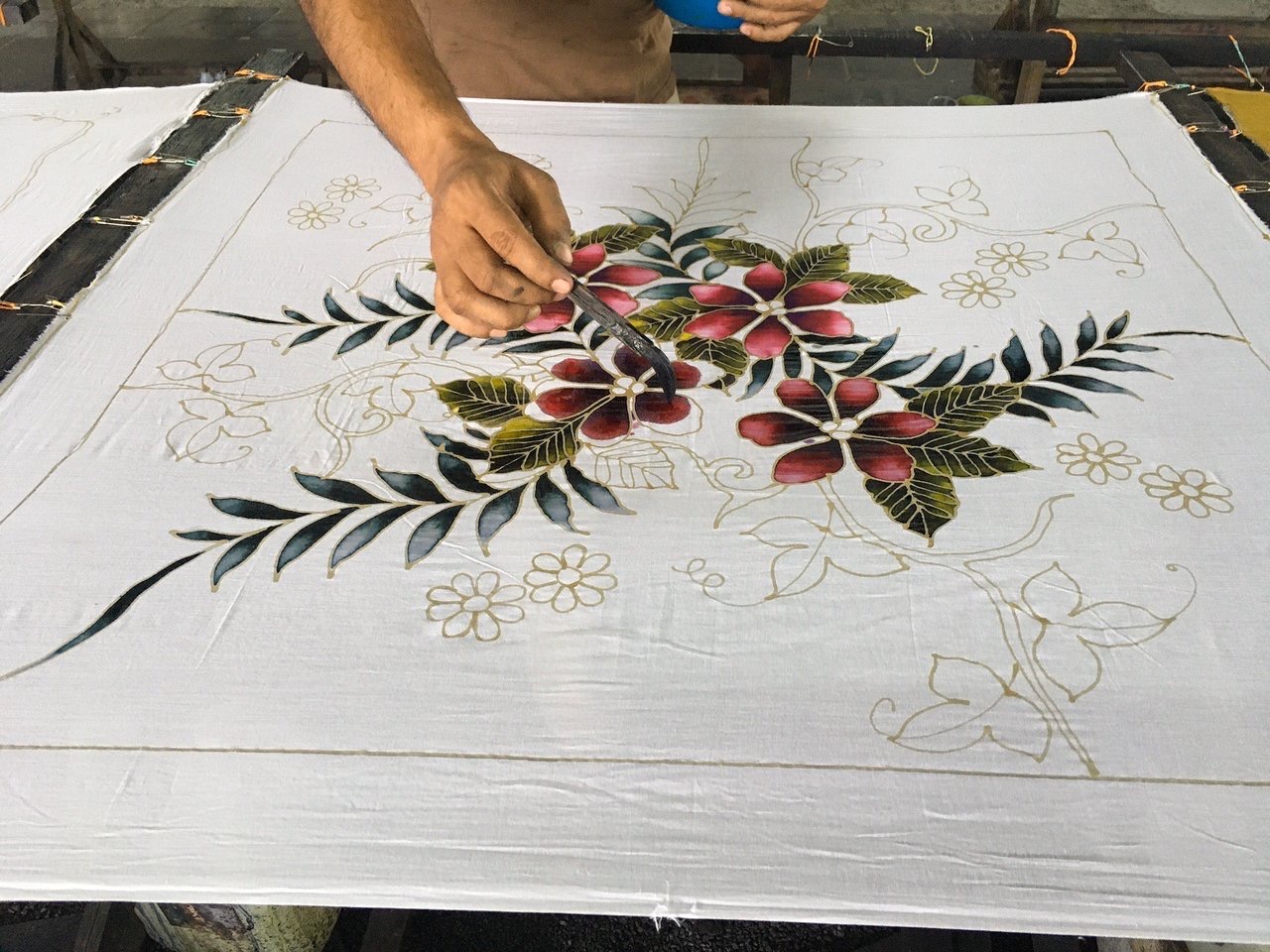
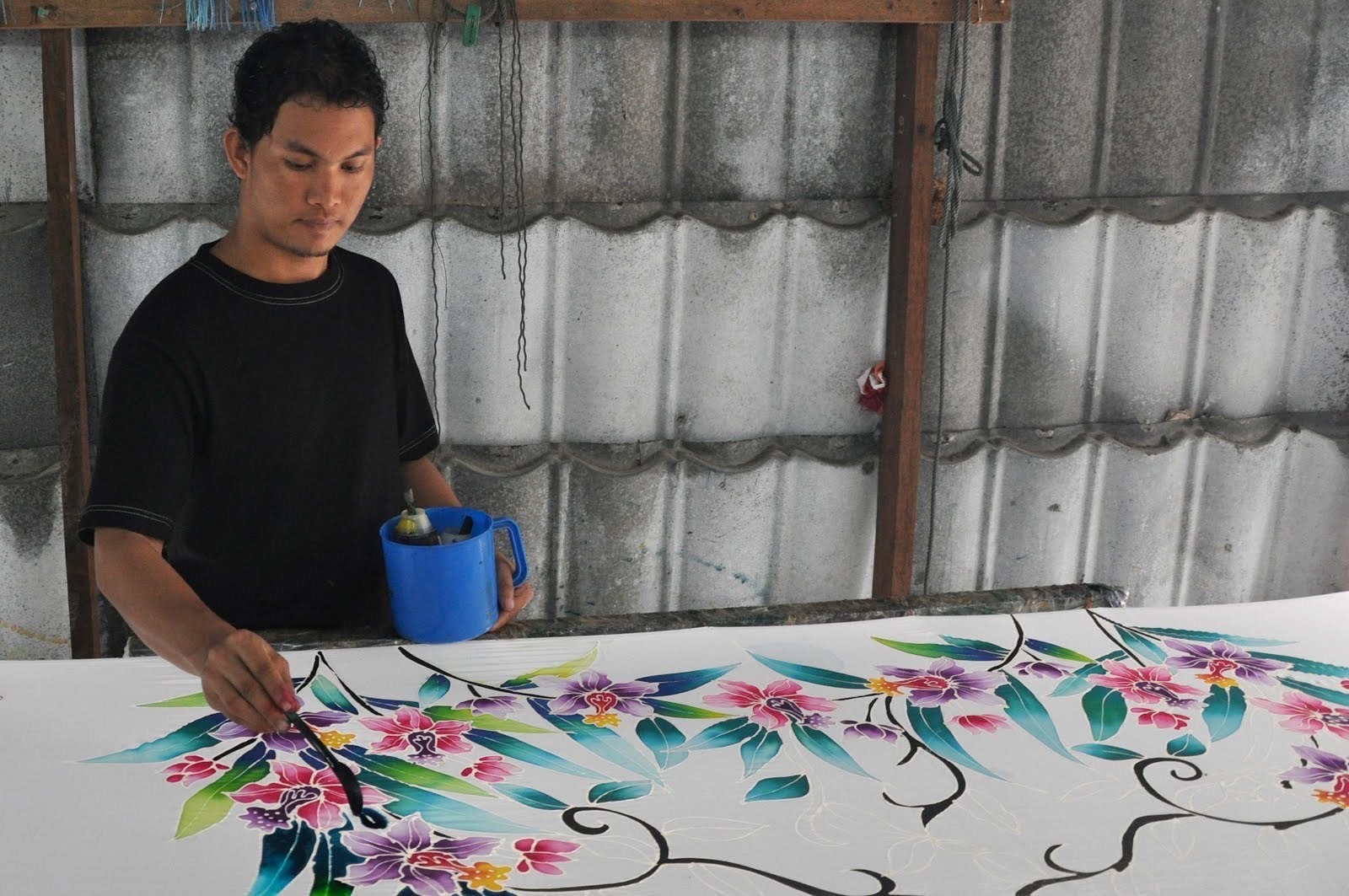
Batik is created using wax-resist dyeing techniques to produce patterns on fabric. Although batik traditions can be found across Southeast Asia, Malaysian batik has developed its own visual character and frequently features flowers, leaves and flowing abstract motifs.
In Penang, batik is available as fabric, shirts, dresses, scarves, bags, table runners and framed decorative pieces. A handmade item is more meaningful than a generic printed souvenir, especially when you can learn how it was produced.
Penang Batik Factory near Teluk Bahang is one place where visitors can see batik-making and shop for finished products. The stop can be incorporated into a trip towards the attractions covered in our Penang National Park guide.
Where to buy it: Kapten Batik, Batek-Lah, Better Than Blouses, craft shops and selected boutiques around George Town.
Buying tip: Ask whether an item is hand-drawn, block-printed or commercially printed, as the production method affects its character and price.
11. Peranakan-Inspired Crafts
Penang’s Peranakan heritage has inspired a variety of decorative and wearable gifts. These may include beaded slippers, embroidered pouches, jewellery, porcelain-inspired accessories and homeware decorated with floral or geometric motifs.
Authentic hand-beaded slippers can require considerable skill and time to produce, making them a more valuable keepsake. More affordable Peranakan-inspired accessories are available for visitors who want something smaller and easier to pack.
When buying heritage-inspired products, ask where they were made. A locally designed or handmade piece contributes more directly to Penang’s creative community than a generic imported item.
Where to buy it: Heritage boutiques, museum shops and independent craft stores around George Town.
Buying tip: Fragile ceramics should be wrapped individually and carried in hand luggage where permitted.
12. Local Art, Prints and George Town Keepsakes
For something that captures Penang visually, look for illustrations, photography prints, postcards, zines and small artworks by local creatives. Common subjects include George Town’s shophouses, five-foot ways, hawker stalls, street scenes and heritage landmarks.
These souvenirs are especially suitable for travellers who want something personal without buying another conventional keychain or refrigerator magnet. Prints and postcards are also light, flat and easy to transport.
Explore the independent shops and galleries around Armenian Street and the surrounding UNESCO World Heritage Site. While in the area, you can continue towards the historic Penang Clan Jetties along Weld Quay.
Where to buy it: Independent bookstores, galleries, museum shops, design stores and heritage boutiques around George Town.
Buying tip: Place paper products between two pieces of firm cardboard so they do not bend inside your bag.
Best Places to Buy Souvenirs in Penang
Chowrasta Market
Chowrasta Market is one of the most convenient places to shop for edible Penang souvenirs. Its upper and surrounding retail areas are known for traditional biscuits, preserved fruits, nutmeg products, sauces and other local specialities.
Shopping here also offers a glimpse of a functioning local market rather than a purpose-built souvenir centre. Read our complete guide to Chowrasta Market before visiting.
Traditional Penang Bakeries
Established bakeries such as Him Heang and Ghee Hiang are reliable stops for tau sar pneah, beh teh saw and assorted pastries. Popular products may sell out during weekends, school holidays and festive periods, so visit earlier or check whether advance ordering is available.
George Town Heritage Zone
Armenian Street, Lebuh Chulia, Lebuh Pantai and the surrounding heritage streets contain numerous galleries, museum shops, boutiques and small creative businesses. This is the best area for artwork, books, postcards and contemporary Penang-designed gifts.
Balik Pulau
Balik Pulau is a good destination for nutmeg products and seasonal agricultural produce. Buying directly from farms or local producers can also help visitors understand where the products come from.
Because attractions are more spread out here, having your own transport or using a ride-hailing service is generally more convenient. Our guide to getting around Penang explains the available transport options.
Little India
Little India is ideal for spices, textiles, jewellery, traditional clothing and Indian snacks. The colourful streets and family-run businesses make the shopping experience part of the attraction.
Batu Ferringhi Night Market
The Batu Ferringhi night market offers casual evening shopping for clothes, bags, accessories, decorative items and inexpensive souvenirs. Quality varies between stalls, so compare prices and inspect items before purchasing.
For more evening markets around the state, explore our Penang night market guide.
Tips for Buying and Packing Penang Souvenirs
Check the Expiry Date
Freshly baked pastries may not contain preservatives and can have a relatively short shelf life. Buy them near the end of your trip and confirm that they will remain fresh until you reach home.
Protect Fragile Pastries
Tau sar pneah and other flaky biscuits break easily. Carry them separately or place the boxes between layers of clothing instead of putting them beneath heavy items.
Seal Bottles and Sauces
Place sesame oil, nutmeg syrup, rojak paste and other liquids in individual plastic bags. Wrap glass bottles with clothing or protective material and pack them securely in checked luggage.
Review Airline and Customs Rules
Liquid restrictions apply to carry-on baggage, while some countries regulate the import of fruit, seeds, plant products and homemade food. Check the latest airline and destination requirements before purchasing.
Support Local Makers
Whenever possible, choose products made, baked, designed or produced in Penang. Ask shopkeepers about the origins of an item, especially when buying batik, crafts or artwork.
Frequently Asked Questions
What is the most famous souvenir from Penang?
Tau sar pneah is arguably Penang’s best-known souvenir. The flaky mung bean pastries are widely associated with the island and are sold by several long-established local bakeries.
What should I buy from Penang besides food?
Good non-food choices include Malaysian batik, Peranakan-inspired crafts, locally designed stationery, books, postcards, photography and artwork depicting George Town.
Where can I buy Penang souvenirs in one place?
Chowrasta Market is convenient for biscuits, preserved fruits, nutmeg products and sauces. For crafts and creative gifts, explore museum shops, galleries and independent boutiques around George Town’s heritage zone.
Can I bring tau sar pneah onto a plane?
Packaged pastries can generally be carried on a domestic flight, but international food-import regulations vary. Keep the product in its original sealed and labelled packaging, and check the rules at your destination.
When should I buy edible souvenirs?
Purchase freshly baked pastries during the final one or two days of your trip. Products with a longer shelf life, such as coffee, sealed sauces and sesame oil, can be bought earlier.
Are Penang souvenirs expensive?
Penang has options for different budgets. Packets of sweets, postcards and small boxes of biscuits are inexpensive, while handmade batik, beaded slippers and original artwork can cost considerably more because of the work involved.
Bringing a Piece of Penang Home
Penang’s best souvenirs are more than reminders that you visited the island. They represent its food traditions, agricultural landscape, multicultural communities and evolving creative identity.
A box of tau sar pneah is easy to share. Nutmeg products offer a taste of Balik Pulau. Batik and Peranakan crafts reflect generations of craftsmanship, while a locally illustrated print can preserve the atmosphere of George Town’s streets.
Choose something you will genuinely eat, use or display—and your souvenir will continue telling the story of Penang long after the journey is over.
If you are still building your travel plans, use our Penang itinerary to combine souvenir shopping with the island’s best food, neighbourhoods and attractions.