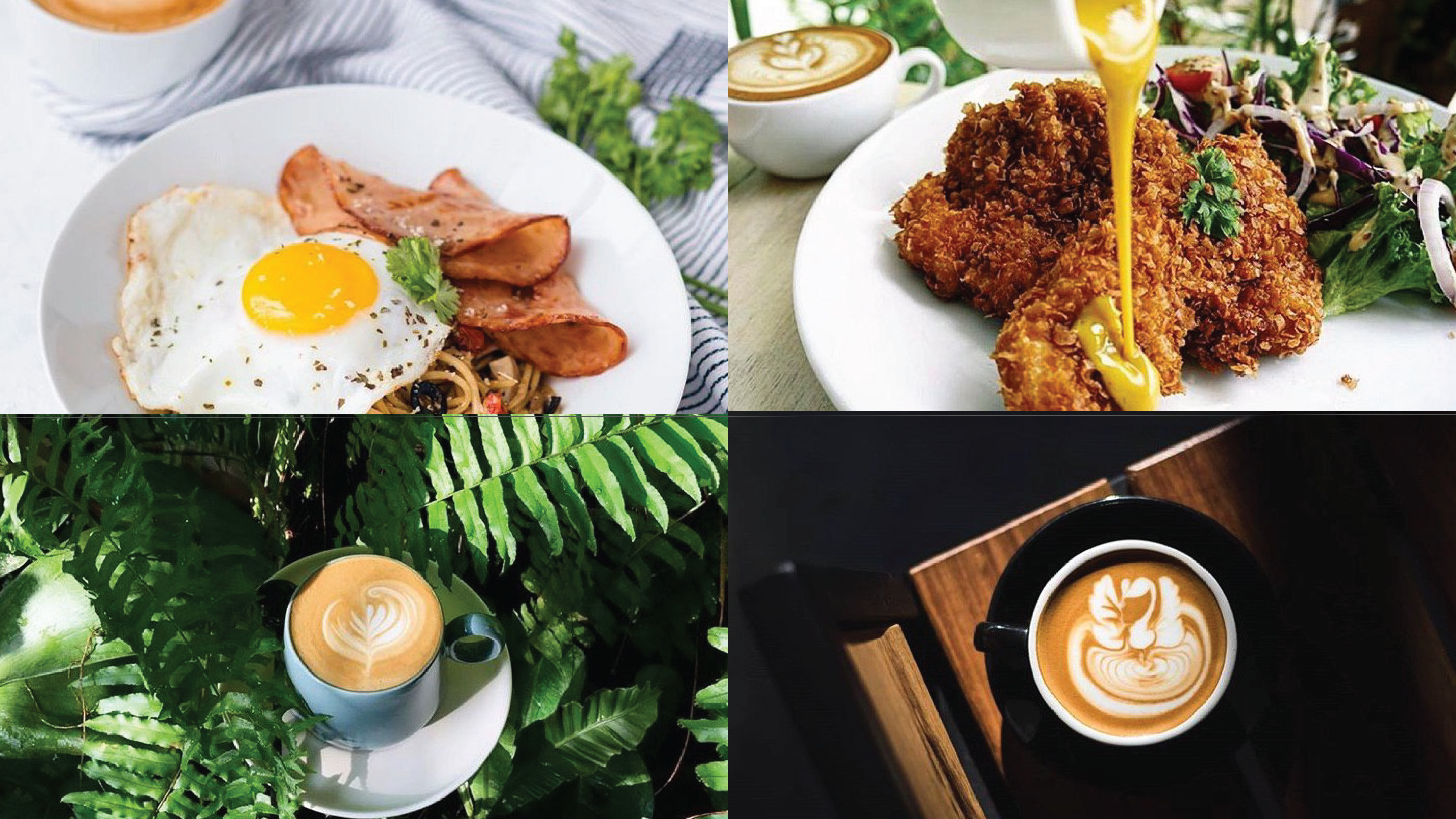
Penang is widely regarded as the food capital of Malaysia, and for many visitors, exploring the island’s culinary scene becomes the highlight of their trip.
The food culture in Penang reflects centuries of migration, trade, and cultural exchange. Malay, Chinese, Indian, and Peranakan influences have blended together to create a rich and diverse culinary landscape.
From humble street stalls and hawker centres to traditional coffee shops and modern restaurants, Penang offers an incredible variety of dishes that represent the island’s heritage.
Many of these recipes have been passed down through generations, preserving flavors and cooking techniques that remain deeply rooted in local culture.
Walking through the streets of George Town, it is impossible to ignore the aroma of sizzling noodles, fragrant spices, and freshly prepared desserts.
This guide introduces the most famous foods in Penang, helping visitors discover what to eat and where to experience the island’s legendary hawker culture.
Penang Street Food Culture
One of the defining characteristics of Penang’s culinary identity is its hawker food culture.
Unlike formal restaurants, hawker stalls are small food vendors that specialize in preparing a single dish exceptionally well. Many stalls have been operated by the same families for decades.
Hawker food can be found in several settings:
- roadside stalls
- hawker centres
- traditional coffee shops (kopitiams)
- night markets
This system allows visitors to sample many different dishes in a single place, making it one of the most exciting ways to explore Penang cuisine.
For many locals, these stalls are not just places to eat — they are an essential part of everyday life.
Famous Penang Dishes You Must Try
Below are some of the most iconic foods that define Penang’s culinary reputation.
Assam Laksa
Assam laksa is often considered Penang’s most famous dish.
This noodle soup is known for its bold sour and spicy flavor, created using a tamarind-based broth combined with mackerel fish, herbs, vegetables, and thick rice noodles.
The dish is topped with ingredients such as cucumber, pineapple, mint, onions, and a shrimp paste called hae ko.
The balance of sour, spicy, sweet, and savory flavors makes assam laksa one of the most distinctive dishes in Southeast Asian cuisine.
Char Koay Teow
Char koay teow is one of Penang’s most beloved noodle dishes.
Flat rice noodles are stir-fried over very high heat with ingredients such as:
- prawns
- eggs
- bean sprouts
- Chinese sausage
- chives
The secret to a great char kway teow lies in the intense heat of the wok, which produces the smoky aroma known as wok hei.
Many of the best stalls in Penang still cook the dish using traditional charcoal stoves.
Penang Hokkien Mee
Despite sharing the same name as the dish in Kuala Lumpur, Penang’s version of Hokkien mee is completely different.
This noodle soup features a rich broth made from prawn shells and pork bones, creating a deep and flavorful base.
The noodles are typically served with:
- prawns
- slices of pork
- boiled egg
- fried shallots
A spoonful of spicy sambal paste is usually added to enhance the flavor.
Nasi Kandar
Nasi kandar originated from the Indian Muslim community in Penang and has become one of the island’s most iconic meals.
The dish consists of steamed rice served with a variety of curries and side dishes.
Common accompaniments include:
- fried chicken
- fish curry
- squid
- okra
- beef curry
Many nasi kandar restaurants are open late into the night and attract both locals and tourists.
Oh Chien (Oyster Omelette)
Oh chien is a popular street food dish made by frying oysters with eggs and a starchy batter.
The result is a crispy yet slightly chewy omelette topped with fresh oysters and served with chili sauce.
It is commonly found in hawker centres and night markets across Penang.
Rojak
Penang rojak is a fruit and vegetable salad tossed in a thick, sweet, and spicy shrimp paste sauce.
Typical ingredients include:
- pineapple
- cucumber
- jicama
- fried dough fritters
Crushed peanuts are added for extra texture.
The dish offers a unique balance of flavors that many visitors find surprising and addictive.
Char Koay Kak (Fried Radish Cake)
Char koay kak is a classic Penang street food dish made from cubes of steamed rice cake stir-fried with garlic, preserved radish, soy sauce, and eggs.
Unlike the Singapore version of fried carrot cake, Penang’s char koay kak is typically served in a “white” versionwithout dark soy sauce, allowing the natural flavours of garlic and preserved radish to stand out.
The dish is cooked on a hot flat griddle until the rice cake develops a slightly crispy exterior while remaining soft and chewy inside.
It is usually topped with chopped spring onions and served with chili sauce. Simple but deeply satisfying, char koay kak is a nostalgic favourite among many Penang locals.
Penang Chee Cheong Fun
Penang chee cheong fun is quite different from the versions found in other parts of Malaysia.
Instead of being served with sweet sauce or curry, Penang’s version is typically topped with shrimp paste (hae ko), chili sauce, and sesame seeds. Some stalls also add a little peanut sauce.
The silky steamed rice noodle rolls absorb the rich, slightly sweet and savoury sauce mixture, creating a unique combination of flavours.
It is often enjoyed as a light breakfast or snack and can be found in traditional coffee shops and hawker centres throughout George Town.
Curry Mee
Curry mee is another beloved noodle dish commonly eaten in Penang.
The dish consists of yellow noodles or rice vermicelli served in a rich curry broth made from coconut milk, spices, and chili paste. The flavour is fragrant, slightly spicy, and deeply comforting.
Typical toppings include:
- cockles
- prawns
- tofu puffs
- bean sprouts
- blood cockles
A spoonful of chili paste is usually added to enhance the intensity of the broth.
Curry mee is often eaten for breakfast or lunch and is widely available at hawker stalls across the island.
Mee Goreng
Mee goreng is a spicy stir-fried noodle dish influenced by Indian Muslim cooking traditions.
The noodles are fried with ingredients such as potatoes, tofu, eggs, bean sprouts, and chili paste, creating a rich, slightly sweet and spicy flavour.
Some versions also include prawns or cuttlefish.
In Penang, mee goreng is especially popular at mamak stalls and Indian Muslim food stalls, where it is cooked quickly over high heat on large griddles.
The dish is often served with lime and chili sauce to balance the flavours.
Popiah
Popiah is a fresh spring roll filled with a mixture of vegetables wrapped in a thin wheat crepe.
The filling usually includes:
- jicama (turnip)
- bean sprouts
- eggs
- lettuce
- fried shallots
Sweet sauce and chili sauce are spread inside before the roll is folded.
The result is a refreshing and slightly sweet snack with a soft texture.
Popiah is commonly sold at hawker stalls and markets throughout Penang and is often eaten as a light meal or afternoon snack.
Penang Desserts and Drinks
Penang also offers a wide variety of refreshing desserts and beverages.
Nyonya Kuih
Nyonya kuih refers to a colourful collection of traditional bite-sized desserts created by the Peranakan community.
These small cakes and sweets are made using ingredients such as:
- glutinous rice
- coconut milk
- pandan leaves
- palm sugar (gula melaka)
- tapioca flour
Popular varieties include:
- kuih lapis
- onde-onde
- kuih talam
- kuih seri muka
The desserts are known for their vibrant colours and delicate flavours. Many traditional bakeries and markets across Penang still produce these kuih using recipes passed down through generations.
Cendol
Cendol is one of the most famous desserts in Penang.
It consists of shaved ice topped with coconut milk, palm sugar syrup (gula melaka), and green rice flour jelly.
Red beans and sweet corn are often added as well.
This dessert is especially popular on hot afternoons.
Ice Kacang
Ice kacang is another popular shaved ice dessert topped with syrups, red beans, corn, grass jelly, and condensed milk.
It is colorful, refreshing, and widely enjoyed across Malaysia.
Nutmeg Juice
Penang is famous for its nutmeg plantations, and nutmeg juice is a refreshing drink made from the fruit of the nutmeg tree.
It has a slightly sweet and tangy flavor and is often served chilled.
Best Places to Experience Penang Food
Several areas are known for their concentration of hawker stalls and local eateries.
Fisherman’s Wharf
Fisherman’s Wharf is a waterfront dining destination located in Gurney Drive.
The area features a collection of seafood restaurants and food stalls where visitors can enjoy fresh seafood while overlooking the sea.
Many stalls offer dishes such as grilled fish, butter prawns, chili crab, and other seafood specialties that highlight Penang’s coastal culinary traditions.
The relaxed seaside setting makes it a pleasant place for dinner, especially in the evening when the breeze from the Straits of Malacca cools the area.
Northam Beach Café
Northam Beach Café is one of the largest hawker-style food courts in George Town and offers an impressive variety of Penang dishes in a single location.
Visitors can find stalls serving classic favourites such as:
- char kway teow
- assam laksa
- curry mee
- oyster omelette
- satay
Because of the large number of vendors, the food court provides a convenient introduction to Penang’s hawker culture.
Its central location near Gurney Drive also makes it easily accessible for visitors staying in George Town.
Gurney Drive Hawker Centre
Gurney Drive is one of the most famous food locations in Penang.
The hawker centre along the waterfront offers a wide selection of Penang dishes in one place.
Chulia Street Night Hawker Stalls
Chulia Street transforms into a lively street food destination at night.
Visitors can find stalls serving:
- char koay teow
- wantan mee
- oyster omelette
- satay
New Lane Hawker Centre
New Lane is known for its late-night food stalls and wide range of dishes.
It is particularly popular among locals.
Traditional Coffee Shops (Kopitiams)
Many traditional coffee shops in George Town host multiple hawker stalls serving different dishes.
Visitors can order food from several vendors while enjoying local coffee or tea.
Modern Cafés and Restaurants
In recent years, Penang has also developed a vibrant café and restaurant scene.
Many heritage shophouses have been converted into stylish dining spaces offering:
- modern Malaysian cuisine
- international dishes
- creative desserts
- specialty coffee
This adds a contemporary layer to Penang’s culinary landscape.
Penang’s reputation as a food destination is well deserved.
The island’s culinary diversity reflects its multicultural history and the dedication of generations of cooks who have preserved traditional recipes.
Whether you are enjoying hawker food at a busy street stall, discovering hidden coffee shops, or tasting modern interpretations of classic dishes, exploring Penang’s food culture is an unforgettable experience.
For many travelers, the question is not what to eat in Penang, but simply how many dishes they can try before their trip ends.