George Town is more than just a beautiful city — it is a living, breathing record of history.
Recognised as a UNESCO World Heritage Site, George Town in Penang reflects centuries of cultural exchange, trade, and migration. Walking through its streets feels like stepping into a place where the past continues to shape the present.
This guide explores what makes George Town historically significant, what you should look out for, and how to experience its heritage meaningfully.
Why Is George Town a UNESCO World Heritage Site?
George Town was inscribed as a UNESCO World Heritage Site in 2008, together with Melaka.
It was recognised for:
- Its well-preserved colonial architecture
- A unique multicultural urban landscape
- Its role as a historic trading port connecting East and West
- The blending of Asian and European influences
What makes George Town special is not just its buildings — but how people, cultures, and traditions have coexisted and evolved over time.
What Defines George Town’s Heritage?
Colonial & Shophouse Architecture
One of the most distinctive features of George Town is its rows of historic shophouses.
These buildings:
- Combine Chinese, Malay, Indian, and European influences
- Feature narrow frontages with deep interiors
- Often include courtyards for ventilation
Many have been restored into cafes, boutiques, and hotels — giving old spaces new life.
Multicultural Identity
George Town’s heritage is deeply rooted in its diverse communities:
- Chinese (Hokkien, Cantonese, Teochew)
- Indian Muslim traders
- Malay communities
- Peranakan (Straits Chinese)
This diversity is reflected in:
- Food
- Religious buildings
- Festivals
- Daily life
Religious & Cultural Landmarks
Within walking distance, you’ll find:
- Mosques
- Temples
- Churches
- Gurdwaras
Key examples:
- Kapitan Keling Mosque
- Sri Mahamariamman Temple
- St. George’s Church
- Goddess of Mercy Temple
This proximity symbolises peaceful coexistence across cultures.
Key Heritage Areas to Explore
Armenian Street (Lebuh Armenian)
Armenian Street sits at the heart of George Town’s UNESCO heritage zone and is often the first stop for many visitors.
Historically, it was a residential and commercial street for wealthy Chinese merchants. Today, it has evolved into a vibrant cultural corridor.
What makes Armenian Street special:
- Rows of well-preserved shophouses
- Home to Khoo Kongsi, one of the most impressive clan houses in Malaysia
- Famous for street art, including the iconic “Kids on Bicycle” mural
- A mix of museums, cafes, souvenir shops, and artisan stores
While it can get crowded, take time to explore the side alleys — that’s where you’ll find quieter corners and hidden details.
Beach Street (Lebuh Pantai)
Lebuh Pantai was once the financial backbone of colonial George Town.
Facing the waterfront in the past, it served as a key hub for trade, banking, and administration during British rule.
What to look out for:
- Colonial-era buildings that once housed banks and trading companies
- Architectural features like pillars, arches, and large facades
- Nearby landmarks such as Fort Cornwallis and the Esplanade
Walking along Lebuh Pantai gives you a sense of George Town’s role as a major trading port connecting Asia and Europe.
Chulia Street (Lebuh Chulia)
Chulia Street has long been associated with travellers, traders, and cultural exchange.
Named after Indian Muslim traders (often referred to as “Chulias”), the street historically served as a hub for commerce and lodging.
Today, it is known for:
- Backpacker hostels and budget stays
- A lively night street food scene
- A mix of old shops, cafes, and bars
At night, the street transforms into one of the best places in George Town to experience local street food culture.
Love Lane
Love Lane is one of George Town’s most intriguing streets, both in name and history.
It is believed to have once been home to the residences of wealthy men’s mistresses during colonial times — giving rise to its unusual name.
Today, Love Lane offers:
- A mix of heritage buildings and boutique accommodations
- A lively atmosphere with bars, cafes, and hostels
- A balance between history and modern tourism
It’s a great place to stay if you want to be in the middle of the action while still surrounded by heritage architecture.
Clan Jetties
The Clan Jetties are among the most unique cultural sites in George Town.
Built by Chinese immigrant communities, these wooden villages extend out into the sea on stilts.
Each jetty was traditionally occupied by a specific clan.
What to expect:
- Traditional wooden houses on stilts
- Narrow wooden walkways over the water
- Small shops and homes still in use today
Chew Jetty is the most visited, but others like Lim Jetty and Tan Jetty offer a quieter experience.
Campbell Street (Lebuh Campbell)
Campbell Street is one of the lesser-highlighted but historically rich streets in George Town.
It has long been associated with local commerce and everyday life, rather than tourism.
What makes it interesting:
- Traditional businesses such as textile shops, sundry stores, and local markets
- A more authentic, lived-in atmosphere compared to tourist-heavy streets
- Close proximity to Chowrasta Market, a key local market
This is where you see the everyday rhythm of George Town beyond curated heritage spots.
Jalan Masjid Kapitan Keling (Street of Harmony)
Jalan Masjid Kapitan Keling is often referred to as the “Street of Harmony”, and for good reason.
Within a short walking distance, you’ll find places of worship from different religions coexisting side by side.
Key landmarks:
- Kapitan Keling Mosque
- Sri Mahamariamman Temple
- Goddess of Mercy Temple
- St. George’s Church (nearby)
This street perfectly represents George Town’s multicultural identity and long-standing religious harmony.
Little India
Located around Lebuh Pasar and surrounding streets, Little India is one of the most vibrant and sensory-rich areas in George Town.
As you walk through, you’ll notice:
- Indian music playing from shops
- The smell of spices and incense
- Shops selling textiles, jewellery, and traditional goods
Food is a major highlight here:
- Banana leaf rice
- Roti canai
- Indian sweets
Little India offers a completely different atmosphere from the rest of George Town — energetic, colourful, and full of life.
Street Art & Modern Heritage
While George Town is rooted in history, it has also evolved into a creative hub.
The famous murals — especially those by Ernest Zacharevic — have become part of the city’s identity.
They represent a modern layer of storytelling added onto a historic canvas.
Heritage Through Food
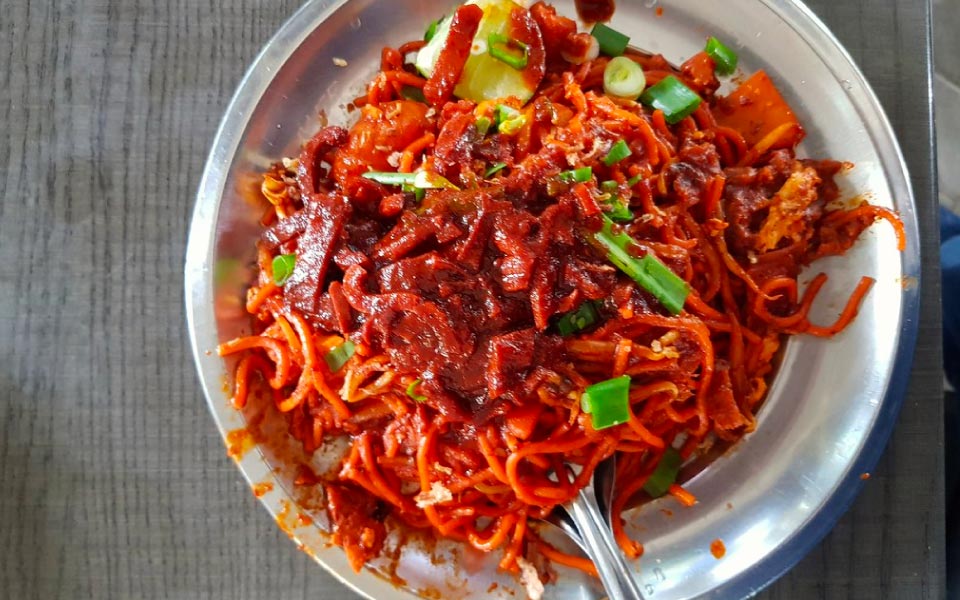
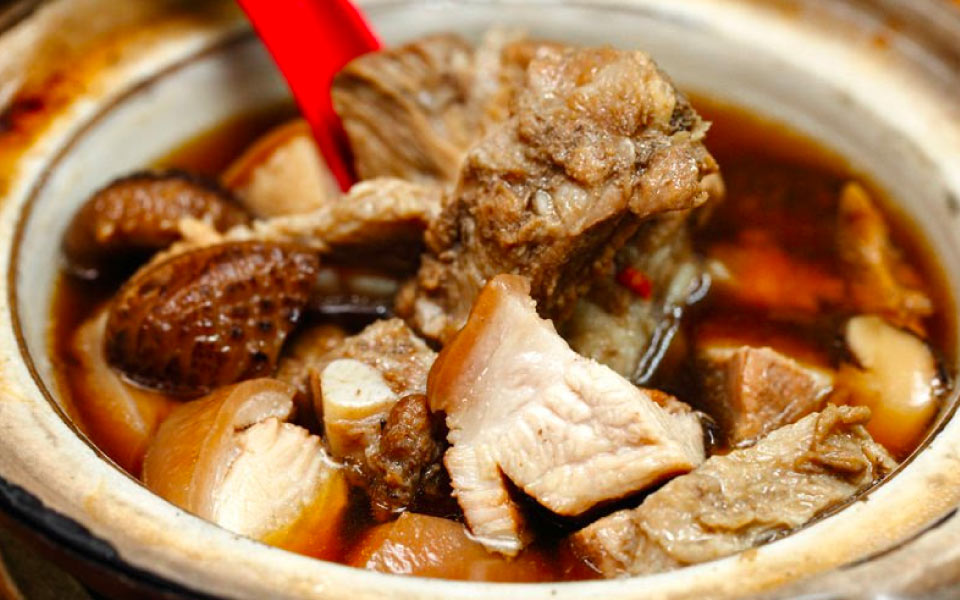
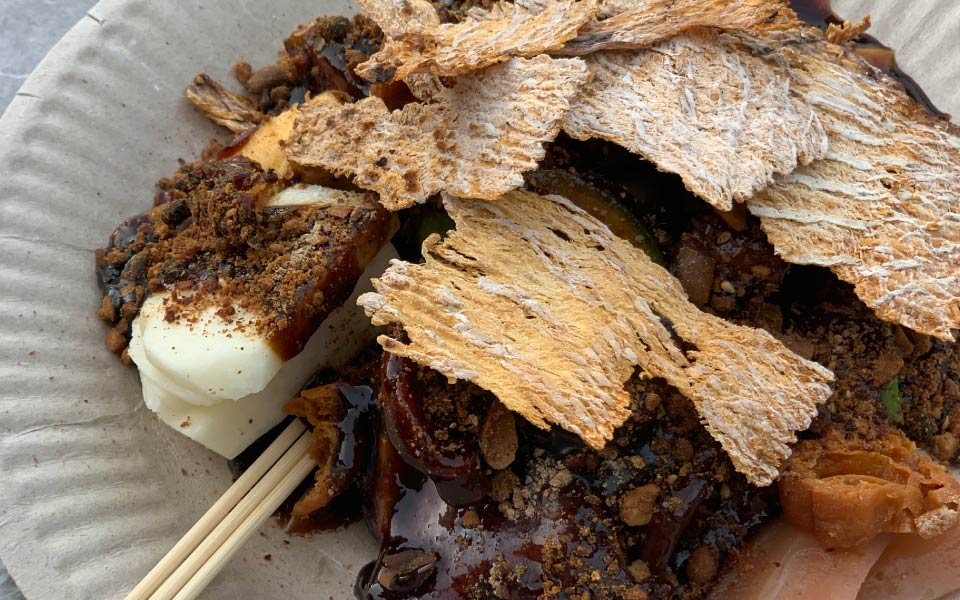
Food is one of the most important expressions of George Town’s heritage.
Many iconic dishes:
- Are passed down through generations
- Reflect multicultural influences
- Are still cooked using traditional methods
Eating in George Town is not just about taste — it’s about history.
Preservation vs Modern Development
George Town faces an ongoing challenge:
- Preserving heritage buildings
- While adapting to modern needs
Efforts include:
- Conservation guidelines
- Restoration projects
- Adaptive reuse of buildings
The goal is to keep the city alive — not frozen in time.
How to Experience George Town’s Heritage Meaningfully
- Walk instead of rushing
- Look beyond the main streets
- Visit early in the morning
- Talk to local shop owners
- Pay attention to small details (tiles, signage, architecture)
The beauty of George Town is often in what you don’t plan.
George Town as a Living Heritage City
Unlike some heritage sites that feel like museums, George Town is still very much alive.
People live, work, and run businesses within these historic spaces.
This is what makes it unique — it is not just preserved, but continuously evolving.
Plan Your Visit to George Town
If you’re planning a trip, read the full guide here: George Town Travel Guide
George Town’s UNESCO status is not just about its past — it’s about how history continues to shape everyday life.
Every street, building, and dish tells a story.
And the best way to understand it is simply to walk, observe, and take it in.