One of Penang’s most unusual attractions, the Snake Temple is unlike any other place of worship in Malaysia. Famous for the venomous pit vipers that can be seen resting around the temple, it has fascinated visitors from around the world for decades.
Despite its name, the temple is much more than a tourist curiosity. It is a centuries-old Chinese temple dedicated to a revered Buddhist monk, blending history, religion, culture and local folklore into one remarkable destination. If you’re planning to explore the island, it’s also a worthwhile stop alongside many other attractions featured in our Things to Do in Penang guide.
Whether you’re interested in Penang’s heritage, Chinese temples or simply looking for something different to explore, here’s everything you need to know before visiting.
What is the Snake Temple?
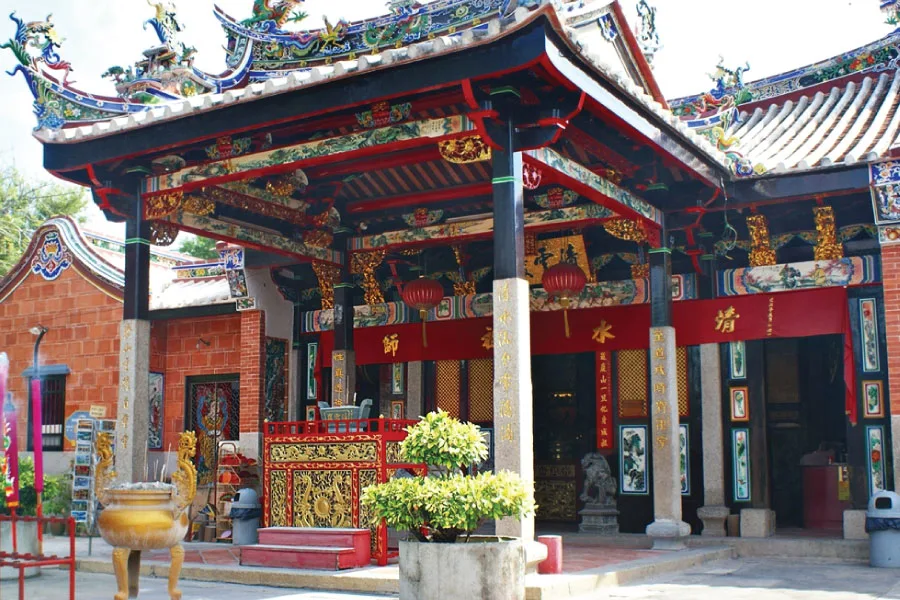
The Snake Temple is a Chinese temple located in Bayan Lepas, around 20 minutes from George Town and just a few minutes from Penang International Airport.
Built in 1850, the temple is dedicated to Chor Soo Kong, a Buddhist monk who was believed to possess healing powers and compassion for all living creatures.
Today, the temple is best known for the Wagler’s Pit Vipers that can be seen resting on tree branches, temple altars, railings, and shrines.
Although seeing venomous snakes inside a temple may sound alarming, visitors have safely explored the temple for many years.
Why Are There Snakes Inside the Temple?
According to local legend, Chor Soo Kong provided shelter to snakes during his lifetime.
After the temple was built in his honour, snakes reportedly began appearing naturally within the temple grounds, leading many devotees to believe they were under the monk’s protection.
Another explanation is more practical.
The temple burns large amounts of incense throughout the day, creating a smoky and relatively cool environment that encourages the pit vipers to remain calm and inactive.
Most of the snakes found around the temple are Wagler’s Pit Vipers, a species native to Southeast Asia.
Temple caretakers closely monitor the snakes to ensure both visitor safety and animal welfare.
The History of Snake Temple
The temple was founded in 1850 to honour Chor Soo Kong, a monk born during China’s Song Dynasty.
He became widely respected for his medical knowledge and charitable work, particularly in treating illnesses and helping the poor.
Chinese immigrants who settled in Penang built the temple to continue worshipping him after his death.
Over the decades, the temple grew into an important religious site for the local Chinese community while gradually gaining international fame because of its resident snakes. Today, it stands alongside other famous religious landmarks on the island, including Kek Lok Si Temple, Wat Chayamangkalaram, and the Dhammikarama Burmese Temple, each reflecting Penang’s rich multicultural heritage.
Things to See at Snake Temple
The Main Prayer Hall
The heart of the temple features beautifully decorated Chinese architecture with intricate carvings, colourful roof ornaments, lanterns, and altars dedicated to Chor Soo Kong.
Visitors often witness devotees offering incense and prayers throughout the day.
The Temple Snakes
The temple’s most famous residents are undoubtedly the green Wagler’s Pit Vipers.
Many can be spotted:
- Resting on tree branches
- Coiled around incense burners
- Hidden among potted plants
- Wrapped around temple beams
- Sleeping quietly near shrines
Finding them can be surprisingly fun, as some blend almost perfectly into the surrounding foliage.
Snake Breeding Area
Adjacent to the main temple is a snake exhibition area that houses a larger collection of reptiles.
Visitors may see:
- Pythons
- Cobras
- Albino snakes
- Various local snake species
There is usually a separate admission fee for this exhibition area.
Temple Architecture
Even without the snakes, the temple itself is worth admiring.
Highlights include:
- Traditional Chinese roof decorations
- Stone carvings
- Dragon sculptures
- Incense burners
- Historic prayer halls
- Beautiful courtyards
Photography enthusiasts often enjoy capturing the contrast between the temple’s vibrant colours and the surrounding greenery.
Is It Safe to Visit?
Yes.
Although the temple houses venomous snakes, visiting is generally considered safe.
Visitors should:
- Never touch the snakes.
- Stay on designated walkways.
- Follow instructions from temple staff.
- Supervise young children.
- Avoid provoking or disturbing the animals.
The snakes spend much of the day resting and rarely move unless disturbed.
Best Time to Visit
The temple is open throughout the year.
If you’re planning a day of sightseeing, consider combining your visit with nearby attractions in Bayan Lepas or exploring George Town afterwards, especially if you’re following one of our Penang 2-Day Itinerary, or Penang 3-Day Itinerary guides.
For a more comfortable experience:
Morning
- Cooler weather
- Fewer visitors
- Better lighting for photography
Late Afternoon
- Pleasant temperatures
- Softer natural light
- Less intense midday heat
Chinese festivals can be considerably busier, offering a more vibrant atmosphere but with larger crowds.
Opening Hours and Entrance Fees
The main temple is generally open daily.
Visitors should check the latest opening hours before travelling, as they may occasionally change during festivals or special events.
While entry to the main temple is typically free or based on voluntary donations, the reptile exhibition usually charges a separate admission fee.
How to Get to Snake Temple
By Car
Driving is one of the easiest ways to reach the temple.
Parking is available nearby.
By Grab
Ride-hailing services are widely available throughout Penang and provide a convenient way to visit without worrying about parking.
By Bus
Rapid Penang buses serve the Bayan Lepas area, although routes and travel times vary depending on your starting location. If you’re unfamiliar with getting around the island, our Penang Public Transport Guide explains the available bus routes and transport options in greater detail.
Nearby Attractions
One advantage of visiting Snake Temple is its location near several popular attractions, allowing you to easily build a half-day or full-day itinerary.
Penang International Airport
Located only a few minutes away, the temple makes a convenient stop before or after your flight. If you’re planning your arrival, our Penang International Airport Guide includes useful transport tips and nearby places to visit.
Queensbay Mall
Just a short drive away, Queensbay Mall is Penang’s largest shopping mall, offering hundreds of retail stores, restaurants, cafés and entertainment options. It’s an ideal place to continue your day after visiting the temple.
SPICE Arena
The nearby SPICE Arena regularly hosts concerts, conventions, sporting events and exhibitions, making it worth checking the event calendar if you’re visiting Penang.
Bukit Jambul
Located nearby, Bukit Jambul is home to a growing collection of cafés, local eateries and neighbourhood restaurants that are popular with residents.
Bayan Lepas Food Scene
No trip to southern Penang is complete without sampling the local food. From hawker centres to seafood restaurants and hidden cafés, Bayan Lepas offers plenty of excellent dining options beyond the heritage streets of George Town.
Tips for Visiting Snake Temple
- Visit in the morning to avoid the midday heat.
- Look carefully among tree branches—you may spot more snakes than expected.
- Respect worshippers, as the temple remains an active religious site.
- Wear comfortable footwear.
- Bring a camera with a zoom lens for better wildlife photography.
- Avoid touching any snakes, even if they appear calm.
- Consider combining your visit with Queensbay Mall or the airport area.
Frequently Asked Questions
Why is Snake Temple famous?
Snake Temple is famous for allowing live Wagler’s Pit Vipers to roam freely throughout the temple grounds, making it one of the world’s most unique places of worship.
Are the snakes poisonous?
Yes. Most of the snakes are Wagler’s Pit Vipers, which are venomous. However, they are generally calm and remain inactive when left undisturbed.
Can visitors touch the snakes?
Visitors are strongly advised not to touch or disturb the snakes.
Is Snake Temple suitable for children?
Yes, provided children remain supervised and follow the temple’s safety guidelines.
How long should I spend at Snake Temple?
Most visitors spend between 45 minutes and 1.5 hours exploring the temple and the optional snake exhibition.
Is Snake Temple near Penang Airport?
Yes. The temple is only a short drive from Penang International Airport, making it an excellent stop before departure or after arrival.
The Snake Temple is one of Penang’s most distinctive attractions, combining centuries of history, religious devotion and an extraordinary relationship between humans and wildlife. While the resident pit vipers are what first capture visitors’ attention, the temple’s cultural significance and architectural beauty offer just as much to appreciate.
Its convenient location near the airport and southern Penang also makes it easy to include in a broader island itinerary. Whether you’re exploring George Town, visiting Kek Lok Si Temple, shopping at Queensbay Mall, or discovering more hidden gems around the island, the Snake Temple offers an experience unlike anywhere else in Malaysia.